
A properly functioning sewer line is crucial for maintaining a clean and healthy home environment. However, when problems arise, such as a broken or clogged sewer line, they can lead to significant disruptions and even pose health risks. Issues like unpleasant odors, bubbling sounds, or soggy areas in your yard might indicate underlying sewer line damage.
Ignoring these warning signs could result in further damage to your home’s foundation, mold growth, or even contaminated water causing health concerns. To save money and prevent the constant need for repairs, it’s essential to recognize the signs early and take necessary action. This guide will highlight seven critical warning signs you should watch for to protect your home and health.
Causes of Sewer Line Issues
Sewer line issues can arise from a variety of common causes, many of which are preventable with proper care and maintenance. One major culprit is tree root intrusion. The roots of nearby trees and shrubs often grow toward sewer pipes in search of moisture, eventually penetrating and obstructing the line—leading to a main sewer line blockage.
Another frequent cause is the buildup of grease, debris, and other non-flushable materials like toilet paper, which can create a sewer line clog over time. Aging or deteriorating pipes are also a significant factor, as older materials like clay or cast iron are prone to corrosion, cracks, and sewer line leaks. Additionally, ground shifting or soil settling can result in misaligned or broken sewer lines.
Lastly, poor installation practices or improper pipe connections can lead to recurring problems that compromise the proper flow and functionality of the entire system. Understanding these causes is the first step toward preventing costly and disruptive sewer line repairs.
Why Early Detection Is Crucial?
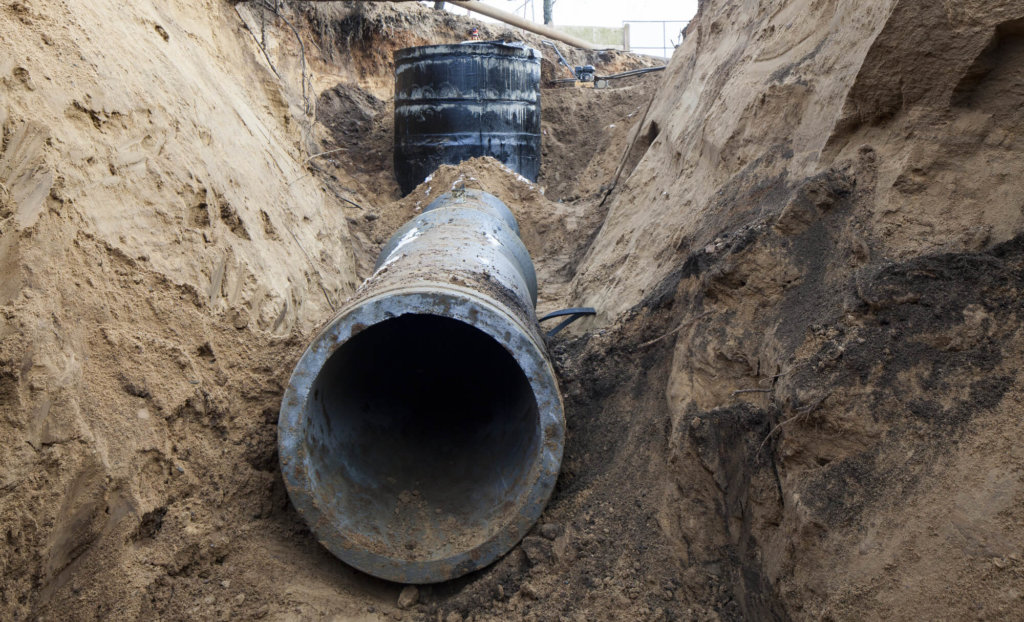
Identifying when your sewer line is clogged early can save homeowners from extensive damage and costly repairs. Small problems, such as minor leaks or blockages, can quickly escalate into major issues if left unaddressed.
For example, a small crack in a pipe caused by corrosion can grow over time, resulting in main sewer line clogs, structural collapses, or widespread water damage. Early detection allows for prompt sewer line repairs, reducing the need for more invasive procedures like full pipe replacements.
Furthermore, addressing problems early ensures the safety and sanitation of your home, preventing health hazards caused by sewer backups or contamination. Regular inspections, use of a sewer cleanout, and prompt action are vital in maintaining a functional and reliable sewer system.
7 Warning Signs Your Sewer Line Is Broken or Clogged
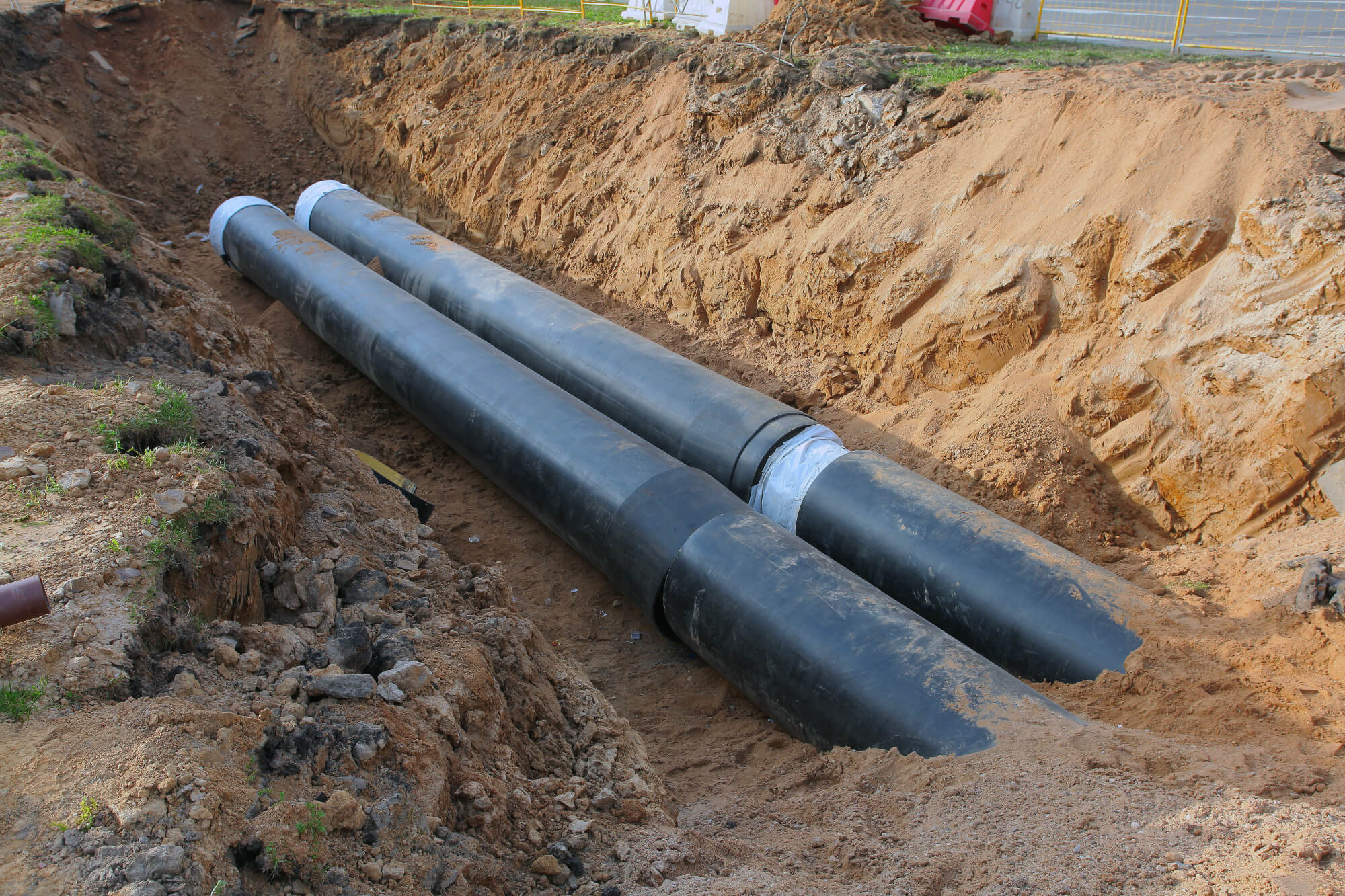
In order to prevent major sewer line issues, it is important to be aware of warning signs that indicate a broken or clogged sewer line. Here are seven common warning signs to look out for:
1. Slow Draining Sinks and Tubs
When your main sewer line is affected, you may notice that water drains more slowly from sinks, tubs, or showers. This happens because a blockage or damage in the sewer line can inhibit the proper flow of water, causing it to back up into your household plumbing. While a minor clog in a specific drain is often caused by hair, grease, or other debris, clogs related to the main sewer line usually affect multiple slow drains at once.
A plunger or drain cleaner might temporarily resolve a minor clog, but persistent slow drainage across several fixtures could indicate a more serious sewer line clog that requires professional drain cleaning.
2. Frequent Clogs Throughout Your Home
If clogs are occurring repeatedly across various parts of your home for instance, in the kitchen sink, bathroom sink, and bathtub it can signal a larger problem within your sewer line. While isolated clogs might result from localized buildup, frequent clogs happening in multiple areas point to a main sewer line clog.
These patterns are especially concerning if the clogs persist even after addressing them with standard methods like plunging or snaking. Recognizing these recurring clogs early can prevent more severe problems, such as sewer backups or a clogged toilet, and highlights the importance of acting quickly to identify and fix the underlying issue.
3. Unusual Gurgling Noises
Strange gurgling sounds coming from your drains can be an early warning sign of a problem within your sewer system. These noises often indicate that air is trapped in the plumbing due to a blockage or restricted flow in the sewer pipes.
When this trapped air escapes, it produces the tell-tale gurgling sound as water moves through the pipes. The issue may start small, but ignoring these noises could allow blockages to worsen over time, potentially leading to more significant sewer line issues.
4. Strong Sewage Smells
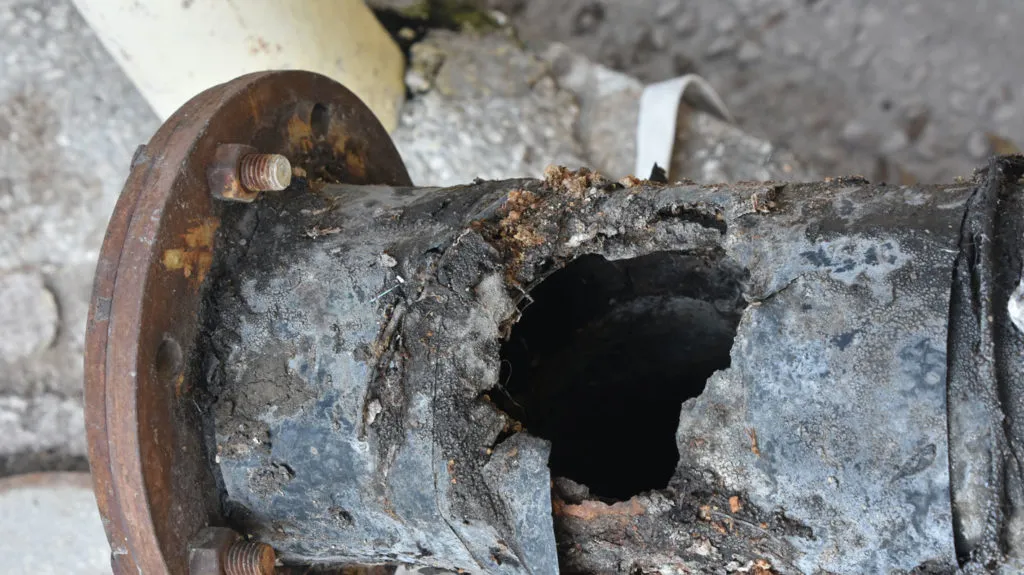
An unpleasant sewage smell is often a clear sign of a damaged or compromised sewer line. These odors can occur when cracks or breaks in the line allow waste and gases to escape, rather than being carried away through the septic tank or floor drains as intended. Typically, these smells are most noticeable in areas like basements, near drains, or outdoors around your property.
Strong sewage odors should never be disregarded, as they not only point to possible plumbing damage but may also pose health risks due to exposure to harmful gases such as methane. Identifying and addressing these smells promptly is crucial to maintaining a safe and functional sewer system.
5. Soggy or Sunken Areas in Your Yard
Unusual patches of soggy or sunken ground in your yard may be signs of underground leaks caused by cracks or ruptures in the main line. When wastewater escapes from these damaged pipes, it saturates the surrounding soil, leading to uneven surfaces or persistent wet spots even during dry weather.
These conditions not only affect the appearance of your yard but also point to serious plumbing issues in the septic system or sewer line that require immediate assistance to prevent further damage.
6. Backed-Up Toilets or Drains
When toilets or more than one drain in your home repeatedly back up, it’s a clear indicator that wastewater is not being properly carried away. This issue often results from blockages, collapsed pipe joints, or other obstructions preventing the free flow of waste.
Backups are more than a mere inconvenience they can lead to sewage coming into your home, pose health hazards, cause standing water, extensive property damage, and expensive repairs. Addressing these warning signs promptly is essential to restore proper function and prevent a worsening situation.
7. Increase in Pest Activity
A sudden increase in pest activity, such as rodents or insects, in or near your home might be linked to sewer line problems. Cracks or leaks in your system can release odors and create entry points that attract pests looking for food, water, and shelter.
These infestations often accompany a foul odor or other signs of leaks and can quickly escalate, especially in areas like laundry rooms or basements. Identifying and resolving the root cause is crucial to keeping your home safe, clean, and pest-free.
What to Do If You Notice These Warning Signs
Suspecting a sewer line or plumbing issue can be stressful, but taking prompt action is essential to minimize damage and prevent further complications. Here are some key steps to follow:
Contact a Professional Plumber
The first step is to reach out to a licensed plumber who specializes in sewer line inspections and repairs. They have the expertise and tools, such as video cameras and sump pump evaluations, to assess the condition of your lines and diagnose the issue accurately.
Avoid Using Water
If you’re experiencing major backups or slow drainage in more than one drain, avoid using water until the problem is evaluated. This can prevent more extensive sewage coming into your home and reduce the risk of additional property damage.
Check for Additional Damage
Inspect your property for any signs of leaks, water stains, or standing water caused by the issue. Take note of affected areas including behind walls or near washing dishes and laundry areas that may require further inspection.
Consider Preventative Measures
Once the issue is resolved, speak to your plumber about preventive strategies. This might include regular maintenance, installing backflow prevention devices, trimming tree roots, or avoiding flushing feminine hygiene products and grease, which can cause a clog form deep in the system.
By addressing plumbing issues professionally and proactively, you can protect your home and avoid recurring problems.
Preventive Measures to Maintain a Healthy Sewer Line
Maintaining a healthy sewer line requires consistent attention and smart preventive steps. One key practice is scheduling regular inspections with a plumber to catch early signs of trouble especially if you hear gurgling sounds or notice recurring issues.
Avoid flushing non-biodegradable items, such as wipes, grease, or feminine hygiene products, which contribute to clog forms. Install drain screens to block debris from entering pipes, and regularly clean out any buildup caused by washing dishes, bathing, or laundry.
Ensure tree roots are not encroaching on your main line, and consider installing barriers if necessary. Incorporating these strategies will help extend your sewer system’s lifespan and avoid unexpected and costly repairs.
Conclusion
Proper maintenance of your plumbing system and sewer lines is essential for avoiding costly repairs and preserving their long-term functionality. By being proactive, watching for warning signs like foul odor, and preventing common causes of plumbing issues, you can ensure your system continues running smoothly.
Whether it’s avoiding what goes down the drain or scheduling timely inspections, a small effort now can help you avoid the stress of damaged pipes, standing water, or sewage backups, especially when problems start affecting multiple drains or multiple fixtures in your home. In short, a well-maintained system means peace of mind and fewer disruptions in your daily life.