Trenchless Sewer Line Repair: How It Works and When It’s the Right Choice
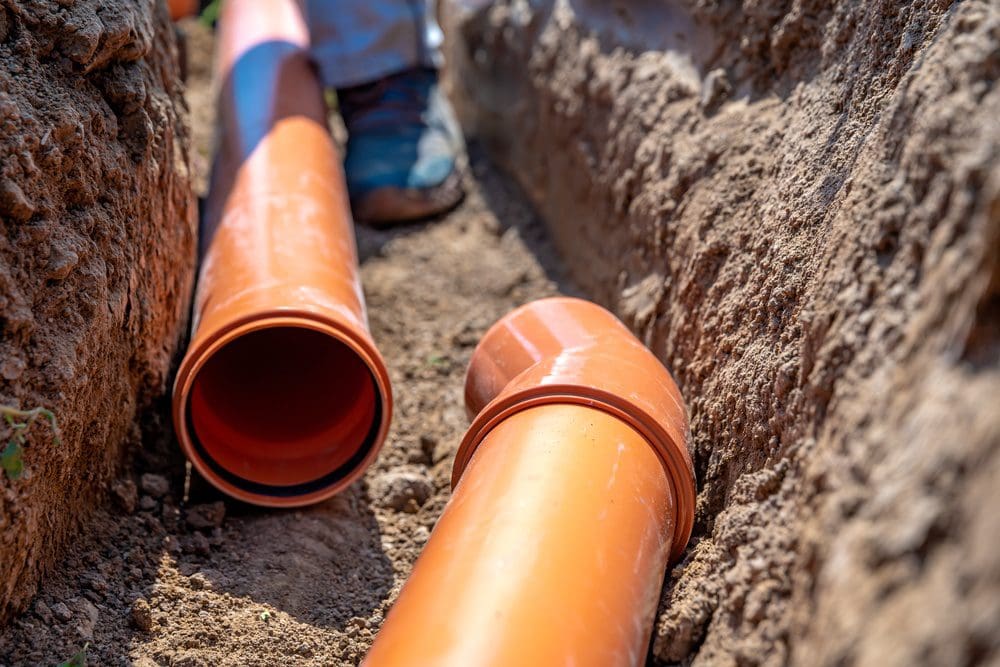
Dealing with sewer line damage can be a daunting and costly challenge for homeowners. Traditional methods often require extensive digging, causing significant disruption to landscapes and property. Fortunately, trenchless methods offer a cost-effective solution to repair damaged pipes with minimal disruption.
By utilizing advanced techniques such as camera inspection and resin coated liners, plumbing crews can fix pipes efficiently without the need for large trenches. Whether it’s a collapsed pipe or other sewer problems, trenchless sewer line repair is an innovative approach that saves time, reduces labor, and preserves your property.
Importance of Choosing the Right Repair Method for Long-Term Results
Choosing the right repair method is crucial for ensuring long-term results and preventing recurring issues. While traditional sewer repair methods may seem straightforward, they often fail to address the root cause of the problem effectively. With options like trenchless sewer line repair, homeowners and businesses can benefit from durable solutions that minimize future maintenance needs.
Advanced materials and techniques used in trenchless pipe repair, such as epoxy lining, provide enhanced durability and resistance to corrosion. By selecting the most appropriate method for your specific situation, you can extend the lifespan of your sewer pipe and existing sewer line, reduce costly disruptions, and achieve peace of mind knowing the repairs were done right the first time.
Trenchless Sewer Line Repair
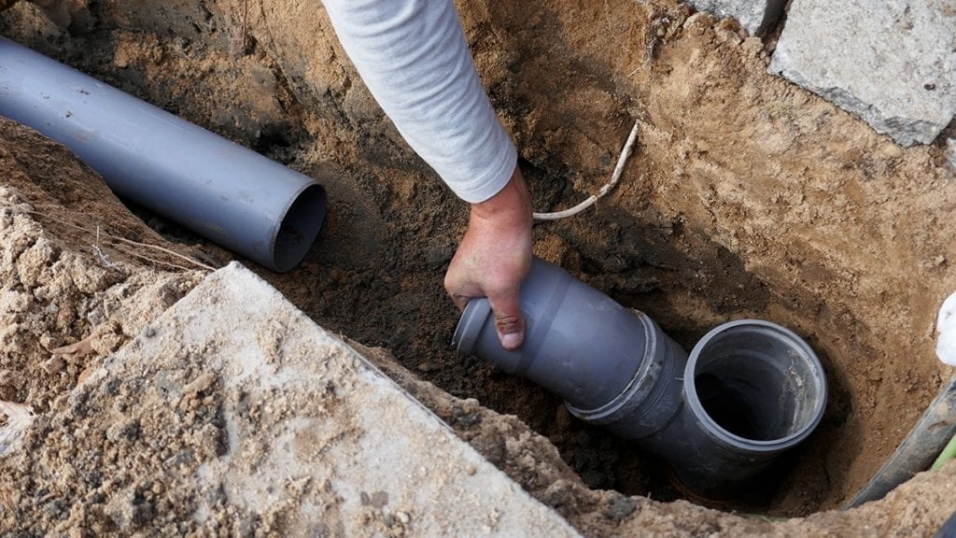
Trenchless sewer repair is an innovative plumbing technique that eliminates the need for extensive digging to fix or replace damaged sewer pipes. This modern approach uses advanced technologies such as the pipe bursting method and cured-in-place pipe (CIPP) lining to repair sewer systems without the disruptive excavation associated with traditional sewer line replacement.
Trenchless Technology in Plumbing
Trenchless technology refers to a set of minimally invasive methods used in the construction and repair of underground pipelines. It focuses on completing repairs or replacements with minimal surface disruption. Techniques such as trenchless pipe lining involve creating a durable pipe within the existing damaged one, while the pipe bursting method replaces old pipes by breaking them apart and pulling a new pipe into place, resulting in a new sewer line without digging trenches.
Comparison with Traditional Sewer Line Repair Methods
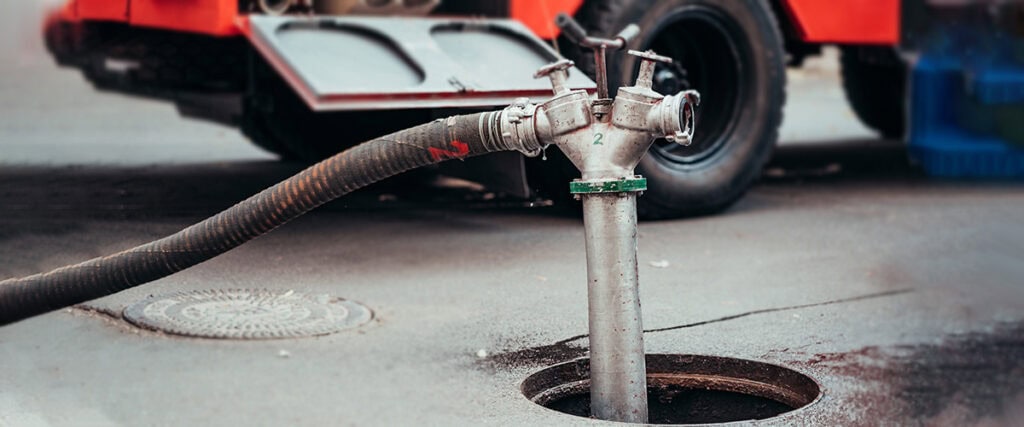
Compared to traditional sewer repair, trenchless methods are significantly less invasive. Traditional repairs often require extensive digging, which can damage landscaping, driveways, and sidewalks, leading to higher restoration costs.
Trenchless sewer repair offers minimal surface impact, saving both time and money. Additionally, trenchless methods are generally faster to complete, more environmentally friendly, and can often result in a longer-lasting repair due to the advanced materials used.
Tools and Equipment Utilized in Trenchless Methods
Various tools and equipment are used in trenchless sewer repair process to complete repairs and installations with minimal surface disturbance. These include:
Pipe Bursting Equipment: Used to break apart old, damaged pipes while simultaneously installing new ones in their place.
CIPP (Cured-In-Place Pipe) Lining Systems: Utilized to create a seamless, durable pipe lining inside an existing pipe using resin-soaked liners.
Hydro-Jetting Machines: High-pressure water systems for clearing blockages and cleaning pipes prior to trenchless repair.
Inspection Cameras: Advanced video cameras that help identify pipe issues and guide the repair process with precision.
Directional Drills: Specialized drilling machines used for installing new pipes or cables with minimal disruption to the surface.
Epoxy Resins: High-strength materials that harden and reinforce the inner walls of damaged pipes during pipe lining.

How Does Trenchless Sewer Line Repair Work?
Step 1: Inspection and Assessment
Initial Inspection: The process begins with a thorough inspection of the sewer pipe using advanced tools such as high-resolution inspection cameras. These cameras provide a clear view of the pipe’s interior and help pinpoint issues.
Problem Identification: By examining the footage, technicians can identify the exact problem, whether it’s structural damage like cracks or breaks, or blockages caused by debris or tree roots.
Detailed Assessment: The data collected from the inspection ensures that the right repair method is chosen, tailored to the severity and location of the damage.
Step 2: Types of Trenchless Repair Methods
Pipe Lining (Cured-in-Place Pipe Repair)
Process:
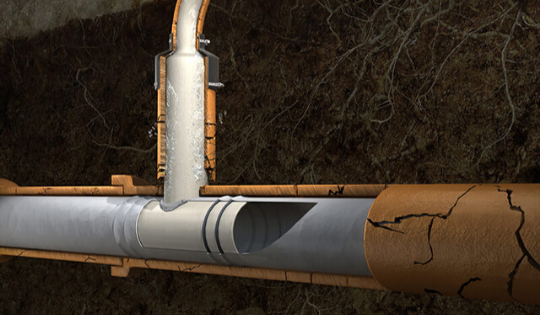
A flexible liner coated with epoxy resin is inserted into the damaged pipe.
The liner is inflated, pressing it tightly against the inner walls of the pipe.
Once the epoxy cures, it forms a seamless, durable new pipe within the original one.
Materials Used:
Epoxy resin for durability and long-lasting reinforcement.
Inflatable liners designed to fit pipes of various sizes and conditions.
Best For:
Minor to moderate pipe damage such as cracks or small holes.
Cases where the pipe structure is still largely intact but needs reinforcement.
Pipe Bursting
How It Works:
A bursting head is inserted into the damaged pipe, breaking it apart as it moves forward.
Simultaneously, a new pipe is pulled into place, replacing the old one entirely.
Appropriate Circumstances:
Situations where the pipe is severely damaged or collapsed beyond repair.
Instances that require upsizing the pipe to increase flow capacity.
Trenchless sewer line repair offers efficient, non-invasive solutions, minimizing disruption to the property while restoring sewer functionality effectively.
Advantages of Trenchless Sewer Line Repair
Trenchless sewer line repair offers many benefits over traditional methods of repairing sewer lines. Some of the advantages include:
Minimal Property Disruption
Unlike traditional methods that involve extensive digging, trenchless sewer line repair avoids the need to excavate large portions of your property. This helps preserve landscaping, driveways, and other structures, saving time and money on restoration.
Cost-Effective Solution
Though the upfront cost may be slightly higher than traditional methods, trenchless techniques often prove more cost-effective in the long run. Reduced labor, quicker completion times, and minimal restoration expenses contribute to overall savings.
Faster Completion Time
Trenchless sewer repair methods significantly reduce the time needed for the project. Without the need for large-scale excavation, repairs can often be completed within a single day, minimizing downtime and inconvenience.
Environmentally Friendly
This method uses advanced technology to replace or repair pipes without disturbing the surrounding ecosystem. By reducing soil displacement and waste, trenchless repairs are a more eco-friendly option.
Durable and Long-Lasting
The materials used in trenchless sewer line repair, such as high-density polyethylene (HDPE) or cured-in-place pipe (CIPP), are designed to last for decades. These modern materials are highly resistant to corrosion, leaks, and root intrusion.
When Is Trenchless Sewer Line Repair the Right Choice?
Trenchless sewer line repair is an innovative solution, but it may not be suitable for every situation. Below are the key scenarios where this method is highly beneficial and situations where traditional repair methods might be more appropriate.
Key Scenarios for Trenchless Repair
When the Property Has Extensive Landscaping or Hardscaping
Trenchless repair minimizes disruption, preserving gardens, trees, and paved surfaces.
If the Sewer Line Damage Is Localized or Moderate
Smaller-scale damages, such as minor leaks or root intrusion, can be effectively addressed with trenchless methods.
When Quick Repairs Are Needed, Such as During an Emergency
Trenchless methods typically require less time than traditional digging and restoration work, making them ideal for time-sensitive situations.
Situations Where Traditional Repair May Be Preferred
While trenchless sewer repair work methods are generally more efficient and less disruptive, there are some situations where traditional repairs may still be preferred.
Extreme Damage Requiring Full Excavation
If the old sewer line or old sewer pipe is severely damaged or collapsed, trenchless sewer replacement methods may not be adequate.
Limitations Based on Location or Existing Infrastructure
Factors such as the presence of older infrastructure or specific property layouts—like complicated access points or small access holes—may necessitate traditional methods.
Evaluating Your Specific Needs
Choosing the right method for sewer repair work depends on the unique circumstances of your property’s plumbing system. Consulting with professional plumbing service providers for a thorough assessment is essential to determine the best approach, considering factors such as damage extent, cost, and potential disruption.
Common Misconceptions About Trenchless Sewer Line Repair
Despite its benefits, there are still some common misconceptions about trenchless sewer pipe repair. Let’s debunk them:
Trenchless Methods Are Not Durable
One common misconception is that pipe liner and other trenchless methods are not as durable as traditional repairs. However, modern materials such as high-density polyethylene (HDPE) pipes used in sewer pipe replacement can last for decades, offering longevity and reliability comparable to or even better than conventional methods.
It Is More Expensive Than Traditional Repair
Many people believe that no dig sewer repair is costlier than digging trenches. While the upfront cost might sometimes be higher, the overall expense is often lower due to reduced labor, minimal restoration requirements, and less property disruption—especially with minimal damage to landscaping and smaller access holes.
Trenchless Repair Works in All Situations
Another myth is that trenchless sewer pipe repair is applicable in every scenario. While highly versatile, certain situations—such as damaged sewer lines or old systems requiring entire sewer line or existing line replacement—may necessitate traditional excavation methods.
Results Are Not as Effective
Some homeowners are concerned that trenchless repairs won’t completely fix their sewer pipe repair or broader plumbing system issues. However, when performed by skilled professionals, these methods can effectively solve problems like cracks, leaks, and blockages while restoring the functionality of the entire system.
Cost Considerations for Trenchless Sewer Line Repair
One of the key factors homeowners evaluate when considering trenchless sewer pipe repair is the cost. While the upfront expense for trenchless methods can sometimes exceed that of traditional repairs, it’s important to take into account the long-term savings and benefits.
Traditional excavation often requires restoring landscaping, driveways, or other property features, leading to additional costs beyond the repair itself. Trenchless techniques, on the other hand, minimize property disruption by using small access points or small access holes and eliminate many of these hidden expenses.
Additionally, the faster completion time of trenchless repairs can reduce labor costs and limit inconvenience for homeowners. When weighing cost considerations, it’s essential to view trenchless sewer pipe repair as an investment in both convenience and long-term value.
Conclusion
Trenchless sewer line repair is a modern and efficient solution that addresses common plumbing issues with minimal disruption. By reducing property damage, saving time, and offering long-term value, it proves to be an excellent investment for homeowners facing problems like severely damaged pipes or those seeking a complete replacement of their sewer system.
This method also benefits septic system maintenance by minimizing invasive work while ensuring that pipes fixed through trenchless technology last longer and perform better.
When compared to traditional methods, the benefits of trenchless techniques far outweigh the initial costs, making it a smart choice for those seeking an effective and hassle-free sewer pipe repair option.