
Residential vs. Commercial Plumbing Systems: Key Differences, Maintenance, and FAQs for Property Owners
Commercial and residential plumbing systems serve distinct purposes in Oklahoma City properties, each requiring specialized design, materials, pressure standards, and adherence to code. Understanding these differences is crucial for preventing costly downtime and water damage in both homes and businesses, while ensuring reliable performance. This guide will cover:
- Fundamental differences in pipe size, materials, pressure, complexity, usage, and codes.
- Best practices for targeted maintenance for both property types.
- Common failures, warning signs, and corrective actions.
- The impact of local plumbing codes and permit requirements.
- Key distinctions in water heating solutions.
- Why partnering with a trusted Oklahoma City provider—Commercial Water Works—ensures compliance, rapid response, and peace of mind.
By the end of this guide, you’ll be equipped to optimize your plumbing system, minimize emergency repairs, and confidently request a quote or service from a certified, insured professional.
What Are the Fundamental Differences Between Residential and Commercial Plumbing Systems?
Residential and commercial plumbing systems vary significantly in scale, materials, design complexity, and regulatory oversight to accommodate different water usage demands and occupancy levels. Homes typically utilize smaller-diameter piping and simpler layouts, whereas businesses require more robust systems to handle higher flow rates, numerous fixtures, and frequent usage cycles.
Differences in Plumbing Systems
Commercial and residential plumbing systems differ significantly in design, materials, and regulatory oversight to meet varying water usage and occupancy demands. Homes typically use smaller-diameter piping and simpler layouts, while businesses require robust systems to serve higher flow rates and multiple fixtures.
Commercial vs. Residential Plumbing Systems, Commercial Water Works (2024)
This source offers a general overview of the differences between commercial and residential plumbing systems, supporting the article’s introduction to the subject.
How Do Pipe Sizes and Materials Differ in Residential vs Commercial Plumbing?
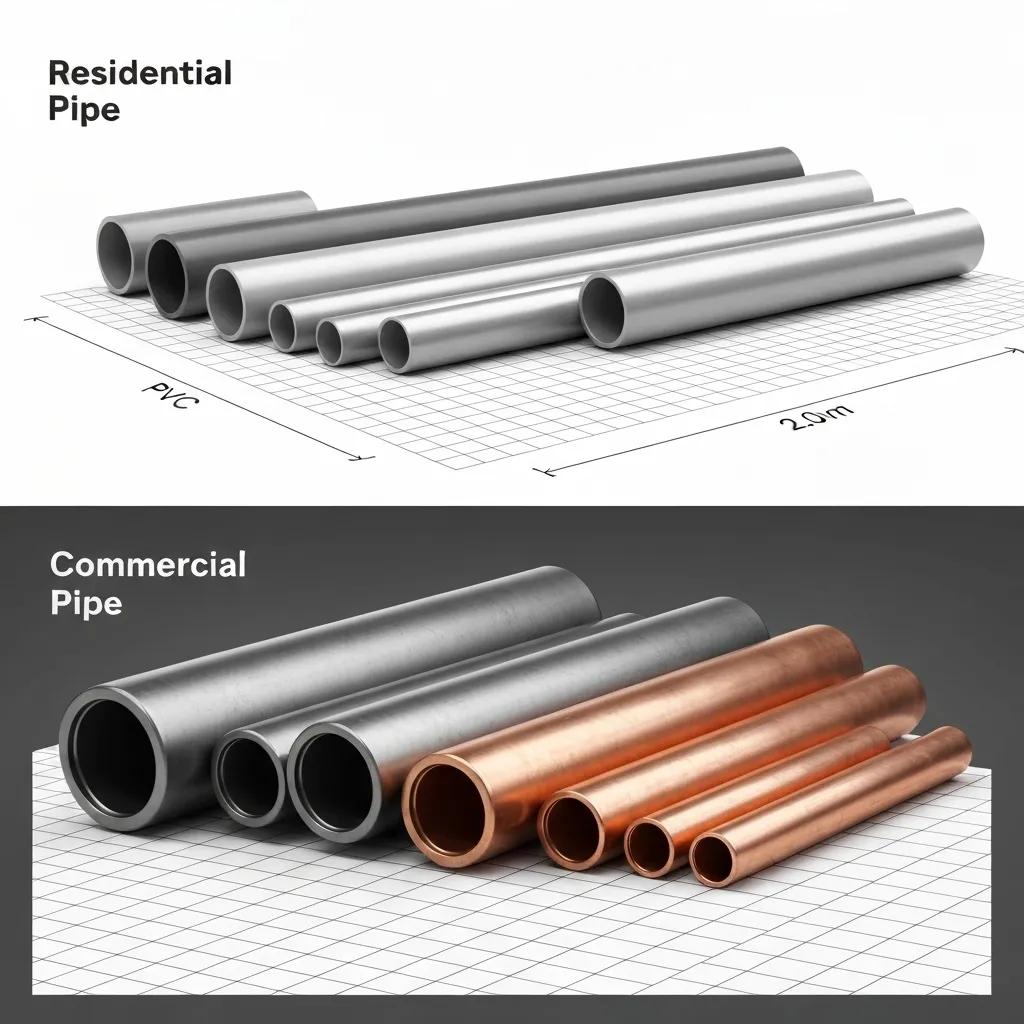
Residential properties typically use pipes ranging from ½- to 1-inch in diameter, often employing PVC, CPVC, or PEX for water supply and ABS or PVC for drains. In contrast, commercial installations commonly utilize 2- to 6-inch steel, copper, or cast-iron piping to withstand higher flow rates and heavier loads.
Here’s a side-by-side comparison of typical pipe specifications for each setting.
| Application | Diameter Range | Material Examples |
|---|---|---|
| Residential Supply | ½” – 1″ | PEX, CPVC, PVC |
| Residential Drainage | 1½” – 3″ | ABS, PVC |
| Commercial Supply | 2″ – 4″ | Copper, Galvanized Steel |
| Commercial Drainage | 4″ – 6″ | Cast Iron, PVC |
Larger diameters and more durable metals ensure commercial lines can handle peak demand, supporting consistent flow and reducing the risk of rupture under heavy usage.
What Are the Variations in Water Pressure and Flow Volume Between the Two Systems?
Commercial plumbing systems typically operate at higher pressures (usually 50–80 psi) and flow rates (gallons per minute, GPM, often exceeding 100 GPM in large buildings). Residential systems generally maintain 40–60 psi and flow rates under 10 GPM. The higher psi and volume in commercial systems are necessary to support multiple simultaneous fixtures, appliances, and irrigation demands.
- Residential flow: 6–10 GPM to serve showers, faucets, and appliances.
- Commercial flow: 20–100+ GPM for kitchens, restrooms, laundry facilities, and HVAC connections.
This difference in flow capacity prevents pressure drops when multiple fixtures are used concurrently and is critical for fire-sprinkler system integration in commercial properties.
How Does System Complexity and Design Vary for Residential and Commercial Properties?
Residential plumbing typically involves a single water meter, direct supply lines to fixtures, and a single main drain line. Commercial layouts often include:
- Branching risers that serve multiple floors.
- Dedicated lines for fire suppression, boilers, and cooling towers.
- Backflow prevention assemblies, grease traps, and pressure-reducing valves.
- Multiple water meters for separate tenants.
The intricate blueprints and zoning requirements in commercial designs help minimize the risk of cross-contamination and ensure safety standards are met, creating a network of interdependent risers and loops that necessitate professional planning.
What Role Does Usage Frequency and Durability Play in Plumbing System Differences?
The higher foot traffic and constant fixture usage in commercial buildings demand thicker-walled pipes, corrosion-resistant valves, and heavy-duty fixtures rated for hundreds of daily cycles. Residential fittings, conversely, are designed for less frequent use—averaging fewer than 50 cycles daily. Durable commercial components help minimize leaks, reduce the need for frequent replacements, and support warranty compliance.
How Do Regulatory Compliance and Plumbing Codes Differ for Residential and Commercial Systems in Oklahoma City?
Commercial systems must comply with International Plumbing Code (IPC) chapters pertaining to high-occupancy buildings, backflow prevention, accessibility, and specialized fixtures, along with Oklahoma City’s specific amendments regarding grease interceptors and stormwater connections. Residential permits primarily focus on basic fixture installations, waterproofing, and venting standards.
Key code distinctions include:
- Mandatory backflow preventers on all irrigation and boiler lines.
- Grease trap sizing formulas for food-service establishments.
- Annual cross-connection inspections and documentation requirements.
- Seismic bracing for overhead piping in multi-story structures.
Strict adherence to these mandates is essential for ensuring safe water quality, legal occupancy, and adequate insurance coverage.
What Are the Essential Maintenance Tips for Residential and Commercial Plumbing Systems?
Preventative upkeep is key to extending system lifespan, maintaining water quality, and avoiding service disruptions. Tailored checklists for homes and businesses address the unique wear patterns and code requirements specific to each property type.
What Should a Commercial Plumbing Maintenance Checklist Include for Oklahoma Businesses?
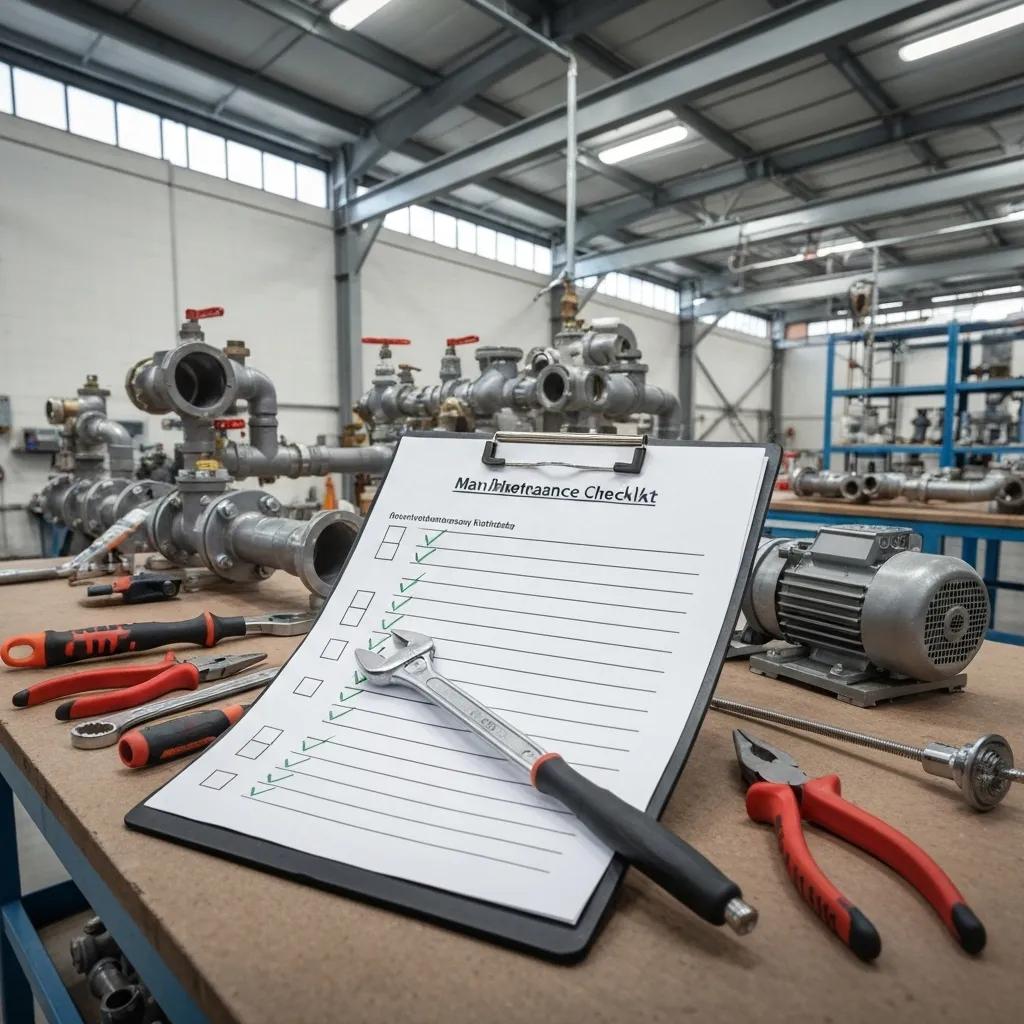
A comprehensive checklist for commercial properties should encompass:
- Visual Inspection of All Visible Piping – Check for signs of corrosion, leaks, or loose joints.
- Grease Trap Cleaning and Recording – Remove accumulated fats and sludge according to city-mandated intervals.
- Backflow Prevention Device Testing – Ensure devices are certified and repair them if necessary.
- Drain Line Camera Inspection – Identify blockages, scale buildup, and root intrusion.
- Pressure-Reducing Valve Calibration – Adjust valves to maintain consistent 50–80 psi operation.
- Fixture and Valve Function Test – Confirm smooth operation of flush valves, faucets, and hose bibs.
Regularly performing these tasks helps prevent backups, satisfies regulatory audits, and reduces the cost of emergency repairs.
How Often Should Commercial Plumbing Systems Be Inspected and Serviced?
Commercial buildings should undergo professional inspections at least once per quarter, with annual certification required for backflow prevention and grease trap compliance. High-usage establishments like restaurants or healthcare facilities may need monthly checks to safeguard public health and avoid penalties.
Commercial Plumbing Maintenance
Commercial buildings benefit from professional inspections at least once per quarter, with annual certification for backflow prevention and grease trap compliance. High-usage venues such as restaurants or healthcare facilities may require monthly checks to safeguard public health and avoid fines.
Commercial Plumbing Maintenance Checklist, Commercial Water Works (2024)
This source provides a checklist for commercial plumbing maintenance, supporting the article’s section on maintenance tips.
What Are the Best Residential Plumbing Maintenance Practices for Homeowners?
Homeowners can ensure optimal performance and prevent damage by:
- Flushing the water heater semiannually to remove sediment buildup.
- Testing shut-off valves and exercising them fully twice a year.
- Clearing minor sink and tub clogs with enzyme-based cleaners monthly.
- Inspecting exposed pipes and under-sink fittings for early signs of leaks.
- Insulating pipes located in unheated areas before winter arrives.
These straightforward steps help improve water quality, extend appliance lifespan, and reduce the likelihood of costly repairs.
How Can Leak Detection and Water Heater Maintenance Prevent Residential Plumbing Issues?
Early detection sensors, when linked to mobile alerts, can pinpoint hidden leaks, thereby stopping concealed damage before it escalates. Similarly, annual water heater inspections can identify element failures, tank leaks, or pressure-relief valve malfunctions, preventing potential floods and maintaining energy efficiency.
What Are the Key Differences in Maintenance Between Commercial and Residential Water Heating Systems?
Commercial water heaters often feature:
- High-capacity storage tanks or multiple tankless modules.
- Glycol-filled boilers for HVAC integration.
- Scheduled descaling and coil cleaning procedures.
Residential units typically use single, smaller tanks or point-of-use tankless heaters that require annual flushing. The scale and integration complexity of commercial setups necessitate certified technicians, while homeowners can manage basic flushing and thermostat checks themselves.
What Are the Most Common Problems in Residential and Commercial Plumbing Systems?
Understanding common failure modes is essential for targeting preventative maintenance and implementing effective rapid response strategies.
What Are Typical Commercial Plumbing Issues Like Drain Clogs and Backflow?
Grease accumulation in kitchen drains often leads to slow flow and unpleasant odors, while improper cross-connections can trigger backflow incidents that contaminate potable water supplies. High-rise buildings frequently encounter sediment buildup in risers and valve malfunctions due to constant operational cycles.
What Residential Plumbing Problems Should Homeowners Watch For?
Common issues encountered in homes include:
- Dripping faucets that waste hundreds of gallons annually.
- Running toilets that significantly increase water bills.
- Low water pressure caused by hidden leaks or scale deposits.
- Water heater sediment buildup leading to hot water disruptions.
Addressing these faults early through detection and repair helps conserve water and prevent structural damage.
How Can Preventative Maintenance Reduce Emergency Plumbing Repairs?
Proactive inspections can identify minor leaks, loose fittings, and scale buildup before they develop into pipe bursts or system-wide failures. This approach can reduce emergency callouts by up to 70 percent and extend the lifespan of fixtures by 20–30 percent.
What Are the Signs of Plumbing Failures in Commercial and Residential Properties?
Visible indicators of plumbing issues include:
- Stains or warping on ceilings and walls.
- Unusual sounds emanating from walls or floors when fixtures are in use.
- A noticeable drop in water pressure or intermittent hot water supply.
- The presence of mold or mildew around plumbing fixtures.
Recognizing these warning signs promptly facilitates faster diagnosis and repair.
How Do Plumbing Codes and Regulations Impact Commercial and Residential Plumbing in Oklahoma City?
Local code requirements dictate the design, installation, and ongoing compliance for both types of properties, with more stringent controls applied to commercial applications to safeguard public health and infrastructure.
What Are the Key Oklahoma City Amendments to the International Plumbing Code (IPC)?
Oklahoma City’s specific IPC updates include:
- Grease trap sizing determined by seating capacity and menu complexity.
- Mandatory certification of backflow prevention devices every 12 months.
- Stormwater separation guidelines for roof drains.
- Seismic bracing requirements for piping in high-rise structures.
Oklahoma City Plumbing Codes
Oklahoma City’s unique IPC updates include grease trap sizing based on seating capacity and menu complexity, mandatory backflow device certification every 12 months, stormwater separation guidelines for roof drains, and seismic bracing requirements for piping in high-rise structures.
Oklahoma City Plumbing Code Amendments, Oklahoma City Government (2024)
This source provides information on the specific plumbing code amendments in Oklahoma City, supporting the article’s section on plumbing codes and regulations.
What Permit Requirements Exist for Commercial Plumbing Projects?
Commercial installations necessitate:
- A building permit application accompanied by detailed plan reviews.
- A licensed plumber’s stamp on all submitted drawings.
- Separate permits for backflow prevention and grease interceptor work.
- Inspection sign-offs at both the rough-in and final stages of construction.
Obtaining the correct permits helps avoid fines and project delays.
How Does Regulatory Compliance Affect Grease Trap and Backflow Prevention Maintenance?
Adhering to inspection schedules and maintaining accurate cleaning logs ensures that grease traps function efficiently and backflow prevention devices effectively protect potable water lines. Non-compliance can lead to penalties, mandatory shutdowns, or liability in the event of water contamination incidents.
Why Is Understanding Local Plumbing Codes Important for Property Owners and Businesses?
Compliance with city amendments is crucial for protecting occupants, preserving property value, and preventing unexpected fines. Familiarity with local codes also streamlines the permit approval process and reduces overall project timelines.
What Are the Differences Between Commercial and Residential Water Heating Systems?
Commercial systems prioritize capacity, redundancy, and integration, while residential units focus on space-saving and energy efficiency for smaller water heating demands.
How Do Tank and Tankless Water Heaters Compare for Commercial and Residential Use?
Here’s a comparison of tank versus tankless water heating solutions for different property types.
| Property Type | Heater Type | Capacity/Rate | Advantages |
|---|---|---|---|
| Residential | Tank | 40–80 gal | Lower initial cost, straightforward installation |
| Residential | Tankless | 2–5 GPM | Continuous hot water supply, energy savings |
| Commercial | Tank | 100–500+ gal | High-volume storage, consistent supply |
| Commercial | Tankless | 10–50+ GPM | Scalable modular design, efficient space utilization |
What Are the Energy Efficiency Considerations for Commercial vs Residential Water Heaters?
Commercial units often incorporate heat-recovery loops and high-efficiency burners, achieving Energy Factor (EF) ratings above 0.85. Residential tankless models typically aim for EF ratings of 0.90–0.95. Factors such as insulation, standby heat loss, and demand patterns significantly influence overall operating costs.
How Should Water Heaters Be Maintained Differently in Commercial and Residential Settings?
Commercial maintenance typically includes quarterly coil cleaning, burner efficiency testing, and replacement of safety valves. Residential units generally require semiannual flushing, anode rod inspections, and thermostat calibration.
Why Choose Commercial Water Works for Residential and Commercial Plumbing Services in Oklahoma City?
Commercial Water Works offers professional, certified, and insured plumbing solutions for both homes and businesses throughout Oklahoma City. We combine extensive local code expertise with rapid emergency response capabilities to protect your property and ensure your operations continue smoothly.
How Does Commercial Water Works’ Expertise Benefit Both Residential and Commercial Clients?
Our team’s dual expertise ensures accurate system sizing, flawless code compliance, and durable installations, whether we are installing a new water heater for a home or designing a complex multi-riser commercial network. Our certified technicians provide reliable diagnostics and customized recommendations to optimize performance and manage costs effectively.
What Emergency Plumbing Services Are Available for Oklahoma City Businesses and Homeowners?
Commercial Water Works provides 24/7 support for:
- Burst pipes and significant leaks.
- Sewage backups and drain clogs.
- Water heater failures and boiler malfunctions.
- Backflow incidents and gas-line cross-connections.
Our rapid dispatch service minimizes downtime and ensures prompt property protection.
How Does Local Knowledge of Oklahoma City Plumbing Codes Enhance Service Quality?
Our in-depth understanding of city amendments related to grease traps, backflow devices, and inspection schedules expedites permit approvals, helps clients avoid compliance issues, and ensures seamless coordination with local inspectors.
What Do Customer Testimonials and Case Studies Reveal About Commercial Water Works’ Reliability?
Our clients consistently praise our transparent communication, punctuality, and the lasting quality of our solutions. In one notable case study, we successfully resolved a restaurant’s severe grease trap backup issue in under two hours, preventing a forced closure and saving the business thousands in lost revenue.
What Are the Frequently Asked Questions About Residential vs Commercial Plumbing Systems?
Many property owners inquire about the differences in scale, regulations, and maintenance requirements across various system types. The questions below address common concerns and guide informed decision-making.
What Is the Main Difference Between Commercial and Residential Plumbing?
Commercial plumbing is designed to handle larger water volumes, higher pressures, more complex fixture arrangements, and stricter code requirements compared to residential systems, which are typically built for single-family or multi-unit dwellings.
Are Commercial Pipes Larger Than Residential Pipes?
Yes, commercial supply lines generally start at a 2-inch diameter and can extend to 6 inches or more, whereas residential supply lines rarely exceed 1 inch, and drains typically top out around 3 inches.
How Often Should Commercial Plumbing Be Inspected?
Professional inspections for commercial plumbing should be conducted quarterly, with annual certifications required for backflow prevention devices and grease interceptor compliance to meet Oklahoma City regulations.
What Are Common Commercial Plumbing Problems?
Frequent issues include grease buildup in kitchen drains, scale accumulation in boilers, risks associated with cross-connections, and failures of pressure-reducing valves under high-cycle usage.
Do Commercial Buildings Have Different Plumbing Codes Than Residential?
Commercial sites adhere to more rigorous IPC chapters covering sanitation, fixture counts, fire protection, and cross-connection control, in addition to local amendments specific to occupancy type and water usage patterns.
By consolidating best practices for both residential and commercial applications, you can effectively protect your assets, ensure regulatory compliance, and maintain uninterrupted water service. Ready to secure professional plumbing support? Contact Commercial Water Works – Plumbing Services in Oklahoma City for a complimentary quote or immediate emergency dispatch today.