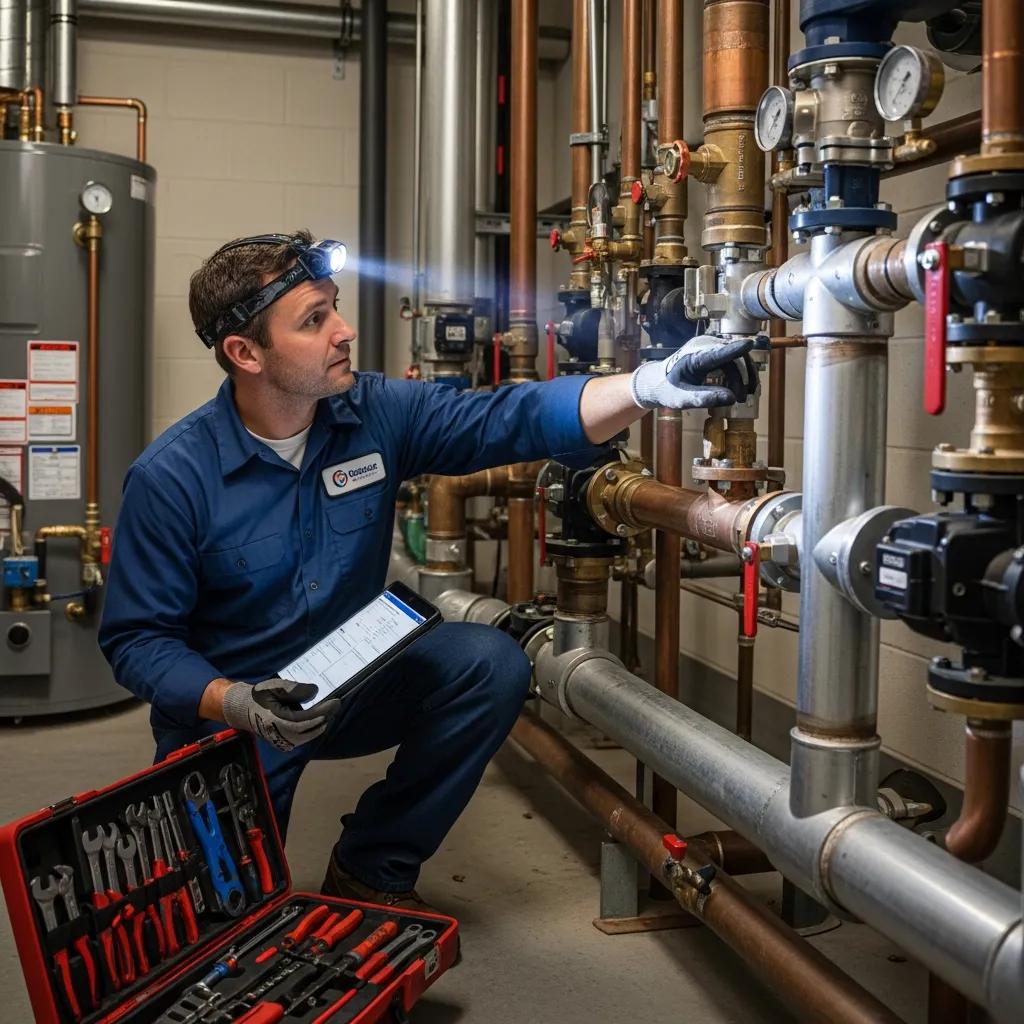
Ultimate Guide to Commercial Plumbing Maintenance in Oklahoma City: Expert Strategies for Reliable Business Plumbing
Maintaining a reliable plumbing system is crucial for any commercial establishment, as it directly impacts operational efficiency and customer satisfaction. This comprehensive guide delves into the essential strategies for commercial plumbing maintenance, specifically tailored for businesses in Oklahoma City. Readers will learn about the importance of preventative maintenance, common plumbing issues, and how to develop a customized maintenance plan. Many businesses face unexpected plumbing failures that can lead to costly repairs and downtime. By implementing effective maintenance strategies, companies can mitigate these risks and ensure smooth operations. This article will cover the significance of preventative maintenance, inspection frequencies, common plumbing issues, and advanced technologies transforming the industry.
Why Is Preventative Commercial Plumbing Maintenance Essential for Oklahoma City Businesses?
Preventative commercial plumbing maintenance is vital for businesses to avoid costly repairs and ensure operational efficiency. By regularly inspecting and maintaining plumbing systems, businesses can identify potential issues before they escalate into major problems. This proactive approach not only saves money but also enhances safety and compliance with local regulations. Furthermore, a well-maintained plumbing system contributes to a positive customer experience, as it minimizes disruptions and ensures reliable service delivery.
What Are the Cost Savings and Benefits of Preventative Plumbing Plans?

Investing in preventative plumbing plans can lead to significant cost savings for businesses. Regular maintenance helps identify minor issues before they develop into major repairs, which can be expensive and disruptive. For instance, businesses that implement preventative maintenance can save up to 12-15% on repair costs compared to those that do not. Additionally, these plans can extend the lifespan of plumbing systems, reducing the need for costly replacements. Overall, preventative maintenance not only saves money but also enhances operational efficiency and safety.
Further research emphasizes the importance of detailed maintenance data for effective facility planning and cost analysis.
Plumbing System Maintenance Data for Life-Cycle Cost Analysis
1. This research project has provided improved maintenance resource data for use during facility planning, design, and maintenance activities. Data bases and computer systems have been developed to assist planners in preparing DD Form 1391 documentation, designers in life-cycle cost component selection, and maintainers in resource planning. The data bases and computer systems are being used by designers and by resource programmers. This report describes the building task maintenance and repair data base development and gives examples of its application. It is one of a series of special reports on the maintenance and repair data base. This report describes plumbing systems.
Building Maintenance and Repair Data for Life-Cycle Cost Analyses: Plumbing Systems., 1991
How Does Regular Maintenance Extend Plumbing System Lifespan and Minimize Downtime?
Regular maintenance plays a crucial role in extending the lifespan of plumbing systems. By conducting routine inspections and addressing minor issues promptly, businesses can prevent major failures that lead to costly downtime. For example, a well-maintained water heater can last significantly longer than one that is neglected. Implementing a structured maintenance schedule ensures that all components, such as pipes and drains, are functioning optimally, thereby minimizing the risk of unexpected breakdowns.
How Often Should Commercial Plumbing Systems Be Inspected and Maintained?
The frequency of plumbing inspections and maintenance depends on various factors, including the type of commercial property and the specific plumbing systems in use. Generally, it is recommended that businesses conduct inspections at least once a year. However, properties with high water usage or complex plumbing systems may require more frequent evaluations to ensure optimal performance. Plumbing preventative maintenance is crucial in these cases.
What Are Industry Standards and Recommended Inspection Frequencies?
Industry standards suggest that commercial plumbing systems should be inspected annually, with more frequent checks for high-usage facilities such as restaurants and hospitals. For instance, restaurants may benefit from quarterly inspections to address grease trap maintenance and prevent clogs. Understanding these standards helps businesses develop a tailored maintenance schedule that meets their specific plumbing preventative maintenance needs.
How Do Inspection Needs Vary by Commercial Property Type?
Inspection needs can vary significantly based on the type of commercial property. For example, healthcare facilities require stringent plumbing inspections to ensure compliance with safety regulations, while retail spaces may focus more on customer-facing plumbing systems. By recognizing these differences, businesses can implement targeted maintenance strategies that address their unique plumbing challenges.
What Are the Most Common Commercial Plumbing Issues and How Can They Be Prevented?
Identifying and addressing common plumbing issues is essential for maintaining a reliable plumbing system. Businesses often encounter problems such as clogged drains, pipe leaks, and water pressure issues. Understanding these challenges and implementing plumbing solutions can significantly reduce the risk of plumbing failures.
How to Identify and Address Clogged Drains and Sewer Backups?
Clogged drains and sewer backups are common issues that can disrupt business operations. Signs of a clogged drain include slow drainage, gurgling sounds, and unpleasant odors. To address these issues, businesses should implement regular drain cleaning and maintenance practices. Additionally, using strainers and educating staff on proper waste disposal can help prevent clogs from occurring.
What Causes Pipe Leaks, Burst Pipes, and Water Pressure Problems?
Pipe leaks and burst pipes can result from various factors, including aging infrastructure, temperature fluctuations, and improper installation. Regular inspections can help identify weak points in the plumbing system, allowing for timely repairs. Water pressure problems may arise from blockages or leaks, making it essential to monitor pressure levels and address any irregularities promptly.
How to Develop a Customized Preventative Maintenance Plan for Your Commercial Property
Creating a customized preventative maintenance plan is crucial for ensuring the longevity and reliability of plumbing systems. This plan should outline specific maintenance tasks, schedules, and responsibilities to ensure that all aspects of the plumbing system are regularly evaluated and maintained.
What Are the Key Components of an Effective Maintenance Schedule?
An effective maintenance schedule should include regular inspections, cleaning, and repairs. Key components to consider are:
- Routine Inspections: Schedule annual inspections to assess the overall condition of the plumbing system.
- Preventative Repairs: Address minor issues promptly to prevent them from escalating into major problems.
- Cleaning Protocols: Implement regular cleaning of drains and grease traps to prevent clogs.
By incorporating these elements, businesses can create a comprehensive maintenance plan that ensures their plumbing systems remain in optimal condition.
How to Choose the Right Commercial Plumbing Service Provider in Oklahoma City?
Selecting the right plumbing service provider is essential for effective maintenance. Businesses should consider factors such as experience, licensing, and customer reviews when choosing a provider. Additionally, it is beneficial to select a company that specializes in commercial plumbing to ensure they understand the unique challenges faced by businesses.
For reliable plumbing services, consider reaching out to Commercial Waterworks, a licensed and insured plumbing contractor based in Oklahoma City. They offer a wide range of services, including preventative maintenance, emergency repairs, and installation of plumbing systems tailored to commercial needs.
What Advanced Technologies Are Transforming Commercial Plumbing Maintenance?
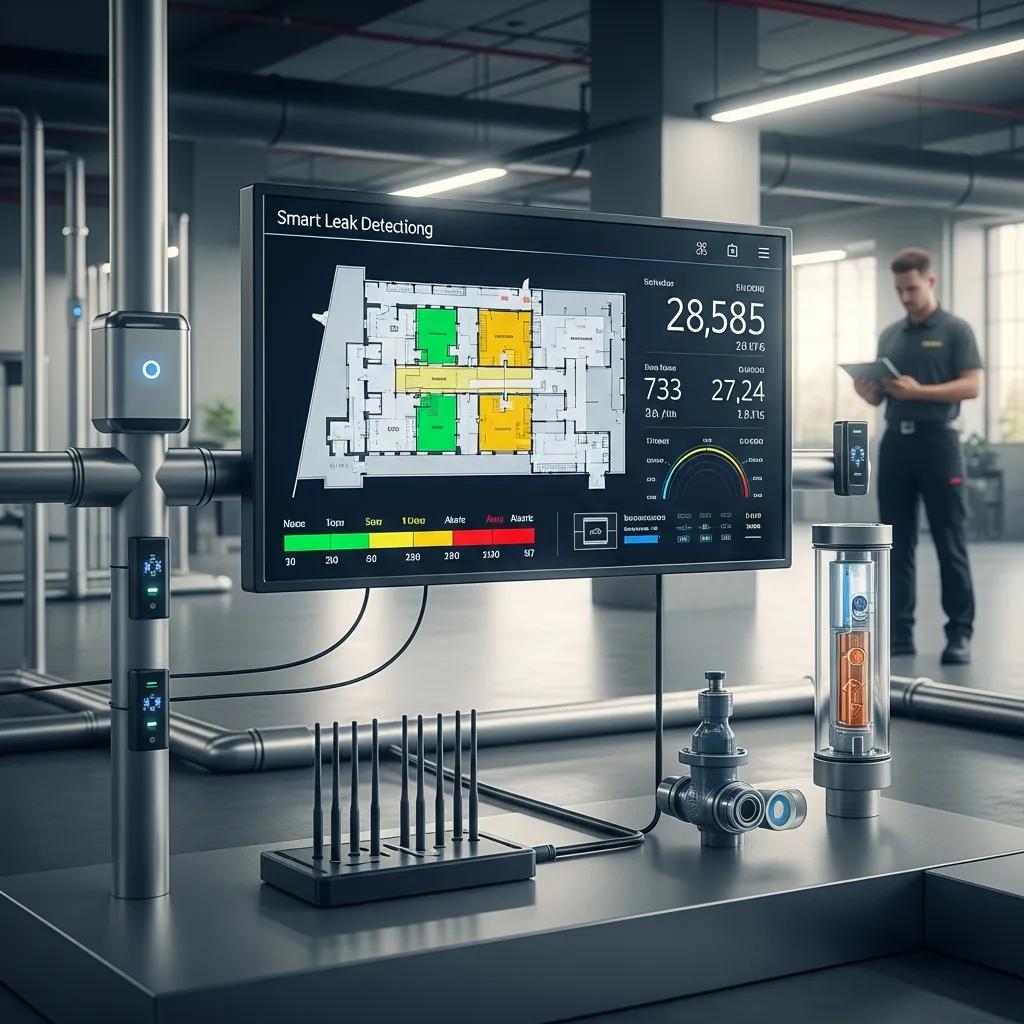
The plumbing industry is evolving with the introduction of advanced technologies that enhance maintenance practices. These innovations improve efficiency, reduce costs, and provide better insights into plumbing system performance, including plumbing solutions.
How Do Smart Leak Detection and Remote Monitoring Improve System Efficiency?
Smart leak detection systems utilize sensors to monitor plumbing systems in real-time, alerting businesses to potential leaks before they cause significant damage. Remote monitoring allows for continuous oversight of plumbing performance, enabling proactive maintenance and reducing the risk of unexpected failures.
What Are the Benefits of Water-Efficient Fixtures and Tankless Water Heaters?
Water-efficient fixtures and tankless water heaters offer significant benefits for commercial properties. These technologies reduce water consumption, leading to lower utility bills and a smaller environmental footprint. Additionally, tankless water heaters provide on-demand hot water, improving efficiency and convenience for businesses.
How Does Industry-Specific Plumbing Maintenance Differ for Restaurants, Hospitals, and Offices?
Different industries face unique plumbing challenges that require tailored maintenance strategies. Understanding these differences is crucial for effective plumbing management.
What Are Unique Plumbing Challenges in Commercial Kitchens and Grease Trap Maintenance?
Commercial kitchens often deal with high volumes of grease and food waste, leading to clogged drains and sewer backups. Regular grease trap maintenance is essential to prevent these issues. Implementing a cleaning schedule and educating staff on proper waste disposal can significantly reduce plumbing problems in these environments.
How Are Healthcare Facility Plumbing Systems Maintained for Safety and Compliance?
Healthcare facilities must adhere to strict plumbing regulations to ensure patient safety. Regular inspections and maintenance are critical to maintaining compliance with health standards. This includes monitoring water quality, ensuring proper drainage, and addressing any plumbing issues promptly to prevent contamination.
| Plumbing Issue | Common Causes | Prevention Strategies |
|---|---|---|
| Clogged Drains | Food waste, grease | Regular cleaning, strainers |
| Pipe Leaks | Aging pipes, temperature changes | Routine inspections, timely repairs |
| Water Pressure Problems | Blockages, leaks | Monitor pressure levels, address irregularities |
This table highlights common plumbing issues, their causes, and effective prevention strategies, emphasizing the importance of proactive maintenance in commercial plumbing systems.