
Oklahoma Commercial Plumbing Codes Explained: Your Guide to Compliance and Permits
Understanding Oklahoma’s commercial plumbing codes is essential for business owners and contractors alike. These codes ensure that plumbing systems are safe, efficient, and compliant with state regulations. This comprehensive guide will delve into the key aspects of Oklahoma’s plumbing codes, including recent updates, permit processes, and specific requirements for commercial properties.
Many businesses face challenges in navigating these regulations, which can lead to costly mistakes and compliance issues. By familiarizing yourself with the plumbing codes, you can avoid these pitfalls and ensure your projects meet all necessary standards. This article will cover the key Oklahoma commercial plumbing codes and their 2024 updates, the permit process in Oklahoma City, backflow prevention requirements, grease trap regulations, and how to stay ahead of code changes.
What Are the Key Oklahoma Commercial Plumbing Codes and Their 2026 Updates?
Oklahoma’s commercial plumbing codes are designed to ensure the safety and efficiency of plumbing systems in commercial buildings. The 2024 updates to these codes reflect advancements in plumbing technology and practices, aiming to enhance compliance and safety standards.
How Does the IPC 2026 Edition Impact Oklahoma Commercial Plumbing?
The International Plumbing Code (IPC) 2024 edition introduces several significant changes that impact Oklahoma’s commercial plumbing practices. These changes include updated installation practices that enhance water efficiency and safety. For instance, the new code emphasizes the use of low-flow fixtures, which can significantly reduce water consumption in commercial settings.
Additionally, compliance requirements have been updated to include more stringent testing protocols for plumbing systems, ensuring that all installations meet the latest safety standards. These updates benefit property owners by reducing long-term operational costs and improving overall system reliability.
What State and Local Amendments Modify the Standard Plumbing Codes?
In Oklahoma, state and local amendments to the plumbing codes address specific regional needs and conditions. For example, local amendments may require additional inspections or specific materials that are better suited for the local environment.
Understanding these differences is crucial for compliance, as failure to adhere to local amendments can result in fines or project delays. Examples of local amendments include requirements for specific backflow prevention devices in areas with high contamination risks and additional safety measures for commercial kitchens.
How Do Oklahoma City Commercial Plumbing Permits Work?

Obtaining the necessary plumbing permits is a critical step in any commercial plumbing project in Oklahoma City. The permit process ensures that all work complies with local codes and regulations.
What Is the Process for Obtaining Commercial Plumbing Permits in Oklahoma City?
The process for obtaining commercial plumbing permits in Oklahoma City involves several key steps. First, applicants must submit a detailed plumbing plan that outlines the proposed work. This plan should include specifications for materials, fixtures, and installation methods.
After submission, the city reviews the plan for compliance with local codes. Once approved, the applicant must pay the required fees and schedule inspections at various stages of the project. Common pitfalls include incomplete applications and failure to schedule inspections promptly, which can delay project timelines.
Indeed, the complexities of the permitting process are a common hurdle for contractors across various regions.
Contractor Permitting Challenges & Regulatory Impact
The findings reveal that while licensing, insurance, and bonding are seen as foundational for establishing credibility and legal compliance, the permitting process presents the most significant challenge. Respondents consistently described permitting as overly complex, inconsistent between jurisdictions, and a frequent cause of project delays.
How Regulations Impact Contractors in California: Licensing, Insurance, Bonding & Permitting, 2025
Why Are Licensed Contractors Required for Commercial Plumbing Projects?
Hiring licensed contractors for commercial plumbing projects is not just a legal requirement; it also ensures quality and safety. Licensed professionals have undergone rigorous training and are familiar with the latest codes and regulations. This expertise minimizes the risk of errors that could lead to costly repairs or safety hazards. Additionally, using licensed contractors can provide peace of mind, as they are typically insured and bonded, protecting property owners from potential liabilities.
What Are the Commercial Backflow Prevention Requirements in Oklahoma?
Backflow prevention is a critical aspect of plumbing safety, preventing contaminated water from flowing back into the clean water supply. Oklahoma has specific regulations governing backflow prevention systems in commercial properties.
Which Types of Backflow Preventers Are Mandated by Oklahoma Codes?
Oklahoma codes mandate several types of backflow preventers, including reduced pressure zone (RPZ) assemblies and double check valve assemblies. These devices are required in various commercial settings, such as restaurants and industrial facilities, where the risk of contamination is higher. Each type of backflow preventer has specific installation and maintenance requirements to ensure optimal performance and compliance with state regulations.
How Are Backflow Prevention Systems Tested and Maintained for Compliance?
Regular testing and maintenance of backflow prevention systems are essential for compliance with Oklahoma plumbing codes. Testing must be conducted at least annually by a certified backflow tester to ensure that the devices are functioning correctly. Maintenance includes routine inspections and repairs as needed, with documentation of all tests and repairs kept on file. Failure to comply with these testing requirements can result in fines and increased risk of contamination.
What Are the Grease Trap Regulations for Oklahoma Commercial Properties?
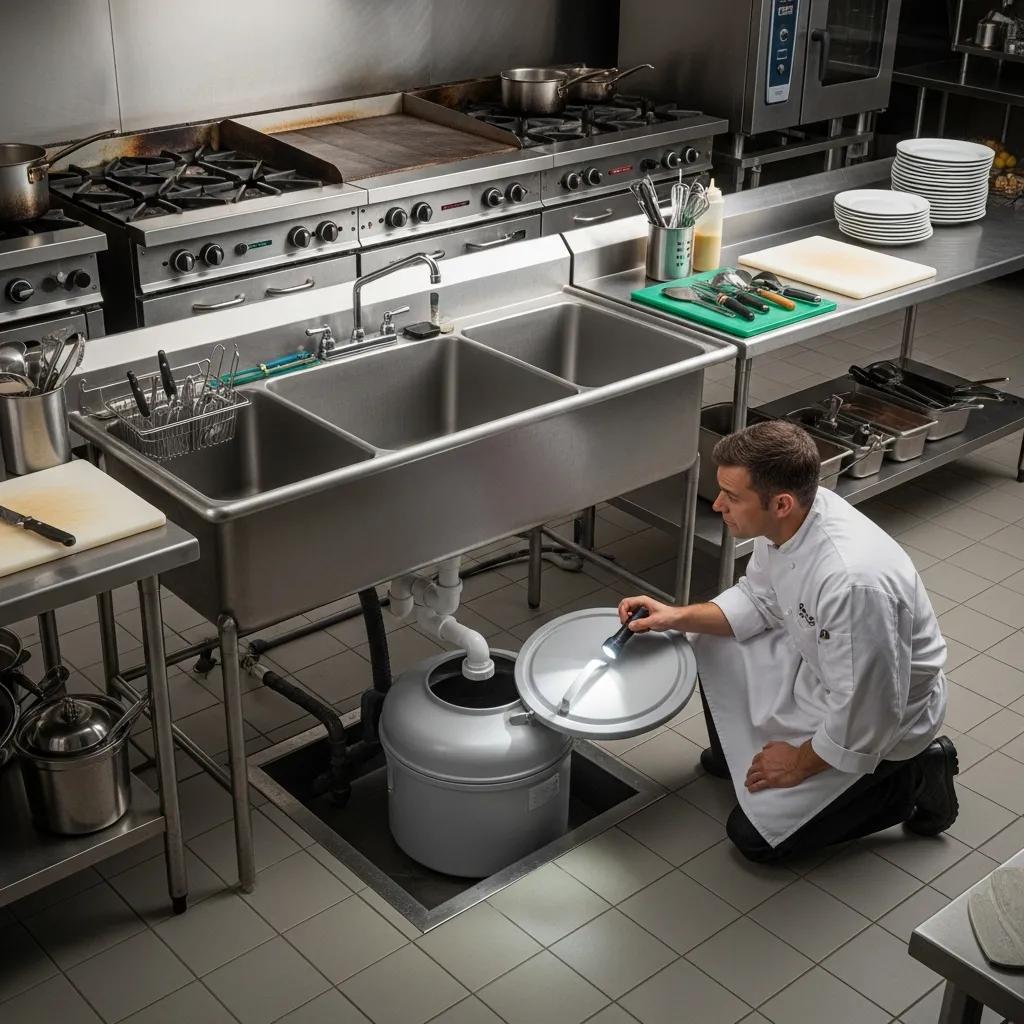
Grease traps are essential for managing wastewater in commercial kitchens, preventing grease and solids from entering the sewer system. Oklahoma has specific regulations governing the installation and maintenance of grease traps.
What Code Specifications Govern Grease Trap Installation and Maintenance?
Oklahoma plumbing codes specify that grease traps must be installed in all commercial kitchens that produce grease-laden waste. The codes outline the required size and type of grease trap based on the volume of wastewater generated. Additionally, maintenance schedules must be established to ensure that grease traps are cleaned regularly, typically every 30 to 90 days, depending on usage. Compliance with these specifications is crucial for preventing sewer blockages and environmental contamination.
How Do Grease Trap Requirements Affect Restaurants and Food Service Businesses?
The grease trap requirements significantly impact restaurants and food service businesses by necessitating additional planning and investment. Businesses must allocate resources for the installation and ongoing maintenance of grease traps, which can affect operational budgets. However, adhering to these regulations not only ensures compliance but also promotes environmental responsibility and sustainability. Failure to comply can lead to costly fines and damage to the business’s reputation.
How Can Businesses Stay Ahead of Oklahoma Commercial Plumbing Code Changes?
Staying informed about changes to plumbing codes is vital for businesses to maintain compliance and avoid penalties.
What Are the Upcoming 2025 Plumbing Code Updates Affecting Water Conservation?
The upcoming 2025 plumbing code updates are expected to focus heavily on water conservation measures. These updates will likely include stricter requirements for water-efficient fixtures and systems, encouraging businesses to adopt sustainable practices. By preparing for these changes in advance, businesses can avoid disruptions and ensure compliance from the outset.
How Can Preventative Maintenance Help Ensure Ongoing Code Compliance?
Implementing a preventative maintenance program is an effective strategy for ensuring ongoing compliance with plumbing codes. Regular inspections and maintenance of plumbing systems can identify potential issues before they become significant problems. This proactive approach not only helps maintain compliance but also extends the lifespan of plumbing systems, ultimately saving businesses money in the long run.
Why Choose Commercial Waterworks for Oklahoma Commercial Plumbing Code Compliance?
When navigating the complexities of Oklahoma’s plumbing codes, partnering with a knowledgeable contractor can make all the difference.
What Expertise Does Commercial Waterworks Offer in Navigating Plumbing Codes?
Commercial Waterworks, a division of ACME Construction, is a licensed, bonded, and insured commercial plumbing contractor based in Oklahoma City. They specialize in helping businesses understand and comply with local plumbing codes, offering expert guidance throughout the permitting and installation processes. Their experience with various commercial properties, including hospitals, restaurants, and offices, ensures that clients receive tailored solutions that meet their specific needs.
How Does Commercial Waterworks Ensure Safety, Quality, and Transparent Pricing?
Commercial Waterworks emphasizes safety and quality in all their projects, adhering strictly to Oklahoma’s plumbing codes. They provide transparent pricing, ensuring that clients understand the costs associated with their plumbing projects upfront. This commitment to quality and transparency builds trust and fosters long-term relationships with clients, making them a reliable partner for all commercial plumbing needs.