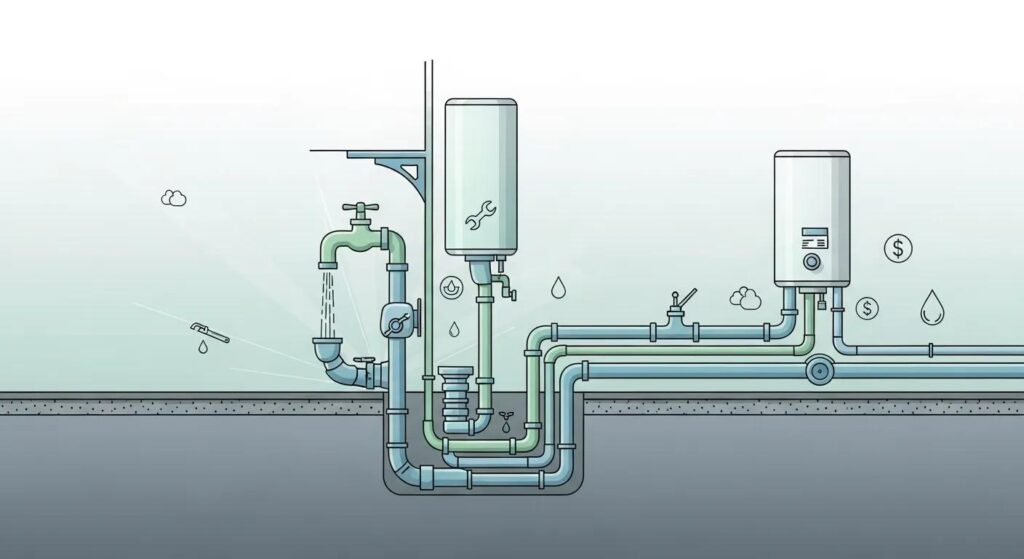
Your Guide to Plumbing Costs
Understanding the costs associated with commercial plumbing services is essential for businesses, industrial facilities, and municipal clients. This guide provides a detailed overview of the various factors influencing plumbing costs, including labor rates, material expenses, and service fees. By familiarizing yourself with these elements, you can make informed decisions when planning plumbing projects or maintenance.
Many organizations face challenges in budgeting for plumbing services, which can lead to unexpected expenses. This guide aims to clarify these costs and offer insights into how to manage them effectively. We will explore labor rates, material costs, service fees, and other critical factors that impact commercial plumbing pricing.
Labor Rates
Labor rates are a significant component of commercial plumbing costs, reflecting the expertise and experience of the professionals involved. Licensed plumbers typically charge between $50 and $150 per hour, while journeyman technicians may charge between $30 and $90 per hour.
Additionally, emergency call-out premiums can add an extra $50 to $100 per hour to the total cost, depending on the urgency of the service required. Understanding these rates helps businesses budget effectively for plumbing services.
Material and Equipment Costs
The costs associated with materials and equipment used in plumbing can vary widely based on the type and quality of the materials selected. For instance, copper piping ranges from $2 to $10 per foot, while PVC/ABS piping is generally more affordable, costing between $0.50 and $3 per foot.
Commercial fixtures, which are essential for any plumbing installation, can range from $150 to $1,500 per unit. These material costs are crucial for businesses to consider when planning plumbing projects.
Service Costs
Service costs encompass a variety of plumbing services, each with its own pricing structure. For example, the emergency plumbing call-out fee typically ranges from $100 to $300, while after-hours labor rates can be between $100 and $250 per hour. Most plumbing services also have a minimum billing duration of 1 to 3 hours, which can impact overall project costs. Understanding these service costs allows businesses to prepare for potential expenses.
| Service Type | Cost Range | Description |
|---|---|---|
| Emergency Plumbing Call-Out Fee | $100–$300 | Fee for urgent plumbing services outside regular hours |
| After-Hours Labor Rate | $100–$250 per hour | Increased rate for services performed after normal business hours |
| Minimum Billing Duration | 1–3 hours | Minimum time charged for service calls |
Leak Detection and Pipe Repair
Leak detection and pipe repair services are essential for maintaining the integrity of plumbing systems. The costs for leak detection services typically range from $150 to $400 per assessment, while pipe repairs or relining can cost between $200 and $1,000 per segment. These services are vital for preventing further damage and ensuring the longevity of plumbing systems.
Backflow Prevention
Backflow prevention is crucial for protecting water supplies from contamination. The installation costs for backflow prevention devices range from $200 to $1,000 per unit, with annual testing fees typically between $50 and $150. These costs are important for businesses to consider, especially those in industries where water quality is paramount.
Permit and Inspection Fees
Obtaining the necessary permits and inspections for plumbing projects can incur additional costs. Permit and inspection fees generally range from $50 to $300 per project phase. These fees are essential for ensuring compliance with local regulations and standards, making them a necessary part of the budgeting process.
Additional Fees
In addition to standard service costs, businesses may encounter various additional fees. Disposal and environmental fees can range from $20 to $150, while travel and mobilization fees typically cost between $50 and $100. Being aware of these potential extra charges can help businesses avoid unexpected expenses.
Preventative Maintenance Plans
Investing in preventative maintenance plans can save businesses money in the long run. These plans typically range from $200 to $1,500 per month, depending on the scope of services included. Regular maintenance can help identify issues before they escalate, reducing the likelihood of costly repairs.
What Are the Key Factors Influencing Commercial Plumbing Service Costs?
Several key factors influence the costs of commercial plumbing services. These include labor rates, material costs, and the complexity of the project. Understanding these factors can help businesses better estimate their plumbing expenses and make informed decisions.
How Do Labor Costs Affect Commercial Plumbing Pricing?
Labor costs significantly impact commercial plumbing pricing, as they account for a substantial portion of the overall expenses. Hourly rates for licensed plumbers and journeyman technicians vary based on experience and location, affecting the total cost of services rendered.
What Role Do Materials and Equipment Play in Pricing?
The choice of materials and equipment directly influences plumbing pricing. Higher-quality materials may incur higher upfront costs but can lead to long-term savings through reduced maintenance and replacement needs. Businesses should weigh the benefits of investing in quality materials against their budget constraints.
How Are Commercial Plumbing Labor Rates Structured Across Service Types?
Labor rates for commercial plumbing services are structured based on the type of service provided. For instance, installation services may have different rates compared to repair or maintenance services. Understanding these differences can help businesses allocate their budgets more effectively.
What Are Typical Hourly Rates for Installation, Repair, and Maintenance?
Typical hourly rates for plumbing services vary based on the type of work being performed. Licensed plumbers generally charge between $50 and $150 per hour, while journeyman technicians charge between $30 and $90 per hour. Emergency call-out premiums can add an additional $50 to $100 per hour, depending on the urgency of the service.
How Do Emergency Plumbing Services Impact Labor Costs?
Emergency plumbing services often come with higher labor costs due to the urgent nature of the work. Businesses should be prepared for additional charges when requiring immediate assistance, as these services typically incur premiums that can significantly increase overall expenses.
What Are the Cost Differences Between Plumbing Installation and Repair Services?
The cost differences between plumbing installation and repair services can be substantial. Installation services often require more labor and materials upfront, while repairs may vary based on the extent of the damage. Understanding these differences can help businesses make informed decisions about their plumbing needs.
How Do Installation Costs Compare to Repair Expenses?
Installation costs generally exceed repair expenses, as they involve the procurement of new materials and the labor required to set up new systems. However, the long-term benefits of a new installation can outweigh the initial costs, particularly if the existing system is outdated or inefficient.
When Is Maintenance More Cost-Effective Than Replacement?
Maintenance is often more cost-effective than replacement when the existing plumbing system is still functional but requires minor repairs or upgrades. Regular maintenance can extend the lifespan of plumbing systems, reducing the need for costly replacements.
How Can Facility Managers Accurately Estimate Commercial Plumbing Costs?
Facility managers can accurately estimate commercial plumbing costs by assessing labor rates, evaluating material costs, and considering the scope of the project. Gathering detailed quotes from service providers can also aid in creating a comprehensive budget.
Advanced methodologies, such as Building Information Modeling (BIM), can further refine cost management and coordination for complex plumbing projects.
BIM for Commercial MEP Cost Management
1. This paper aims to propose a cost-based mechanical, electrical, and plumbing(MEP) coordination process using building information modeling(BIM). The proposed process can help project participants eliminate identified clashes between the MEP elements, analyze trends relating to MEP costs during the coordination process, and share their findings. MEP quantity-related information extracted through BIM was integrated with the cost database and schedule information. To check the applicability of the proposed process, it was applied to a construction project in South Korea. Through the application of the proposed process, MEP-related cost was reduced.
Cost management system for mechanical, electrical, and plumbing (MEP) coordination using building information modeling (BIM)-
A case study, S Ham, 2022
What Is the Process for Obtaining Detailed Plumbing Service Quotes?
Obtaining detailed plumbing service quotes involves requesting estimates from multiple providers and providing them with specific project details. This process ensures that businesses receive accurate pricing based on their unique needs.
Which Pricing Factors Should Be Considered in Cost Estimation?
When estimating plumbing costs, businesses should consider labor rates, material costs, and any additional fees that may apply. Understanding these factors can help create a more accurate budget for plumbing services.
What Are Current Industry Trends Affecting Commercial Plumbing Pricing?
Current trends affecting commercial plumbing pricing include fluctuations in labor costs and material price volatility. Staying informed about these trends can help businesses anticipate changes in their plumbing expenses.
How Have Labor Costs Evolved from 2024 to 2026?
Labor costs in the plumbing industry have evolved due to factors such as a skilled labor shortage and increased demand for services. These changes can impact pricing structures and availability of qualified professionals.
What Material Price Volatility Should Businesses Anticipate?
Businesses should anticipate material price volatility due to market fluctuations and supply chain disruptions. Planning for these changes can help organizations manage their plumbing budgets more effectively.
How Does Commercial Waterworks Ensure Transparent and Reliable Plumbing Service Pricing?
Commercial Waterworks ensures transparent and reliable plumbing service pricing by providing free and detailed quotes. This approach allows clients to understand the costs associated with their plumbing needs upfront.
What Are the Unique Value Propositions of Commercial Waterworks?
Commercial Waterworks offers unique value propositions, including expertise and specialization in commercial plumbing services. Their rapid response time and commitment to quality service set them apart in the industry.
How Does Structured Data Enhance Pricing Transparency?
Structured data enhances pricing transparency by providing clear and organized information about service costs. This approach benefits clients by allowing them to make informed decisions based on accurate pricing information.
For businesses seeking reliable and transparent plumbing solutions, Commercial Waterworks stands out as a trusted partner. Their commitment to quality and customer satisfaction makes them a top choice in the industry.