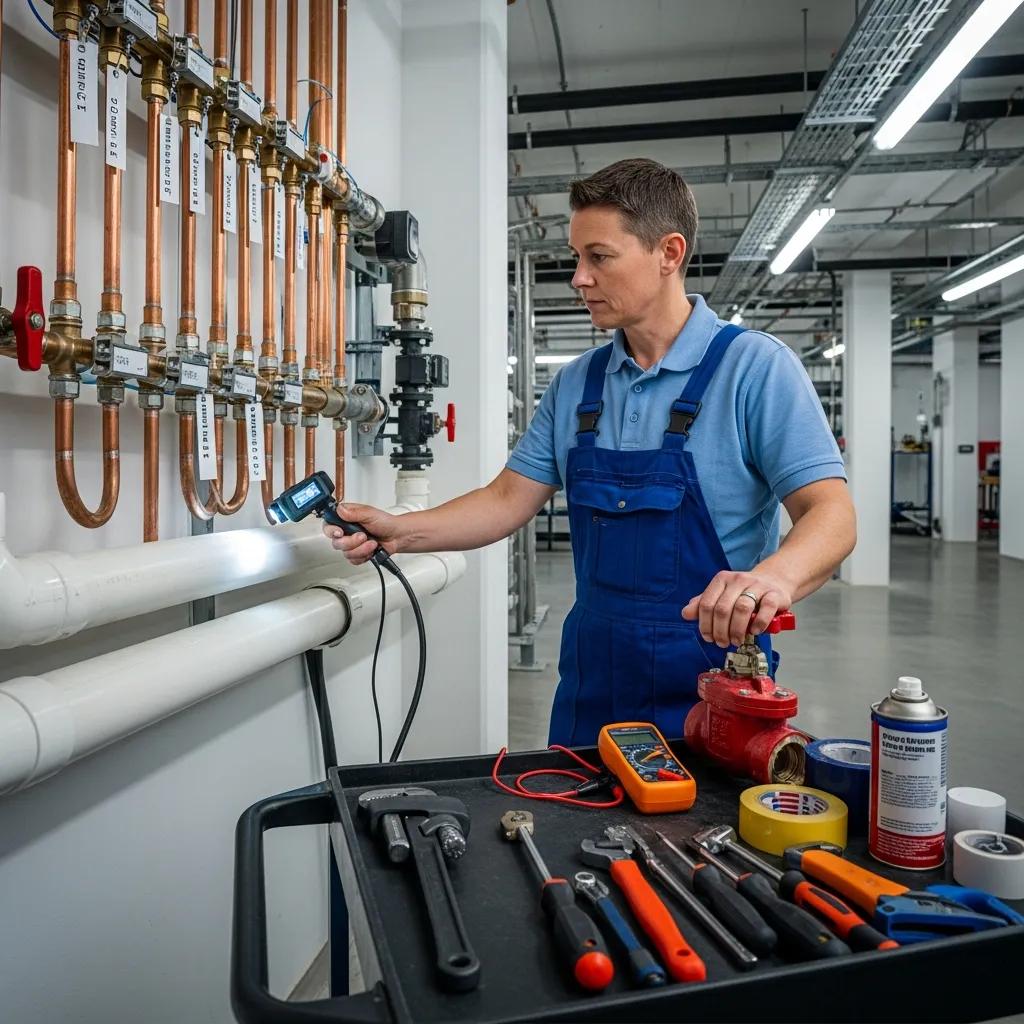
Benefits of Preventative Commercial Plumbing Maintenance: Essential Insights for Business Facility Managers
Preventative commercial plumbing maintenance is a proactive approach that helps businesses avoid costly repairs and operational disruptions. By regularly inspecting and maintaining plumbing systems, facility managers can ensure that their operations run smoothly and efficiently.
This article will explore the numerous benefits of preventative plumbing maintenance, including cost savings, risk reduction, and improved operational efficiency. Facility managers often face challenges such as unexpected plumbing failures that can lead to significant downtime and expenses.
Implementing a structured maintenance plan can mitigate these issues, providing a reliable solution to maintain plumbing systems. We will delve into the key advantages of preventative maintenance, how it reduces emergency repairs, and the essential components of effective maintenance plans.
Cost Savings:
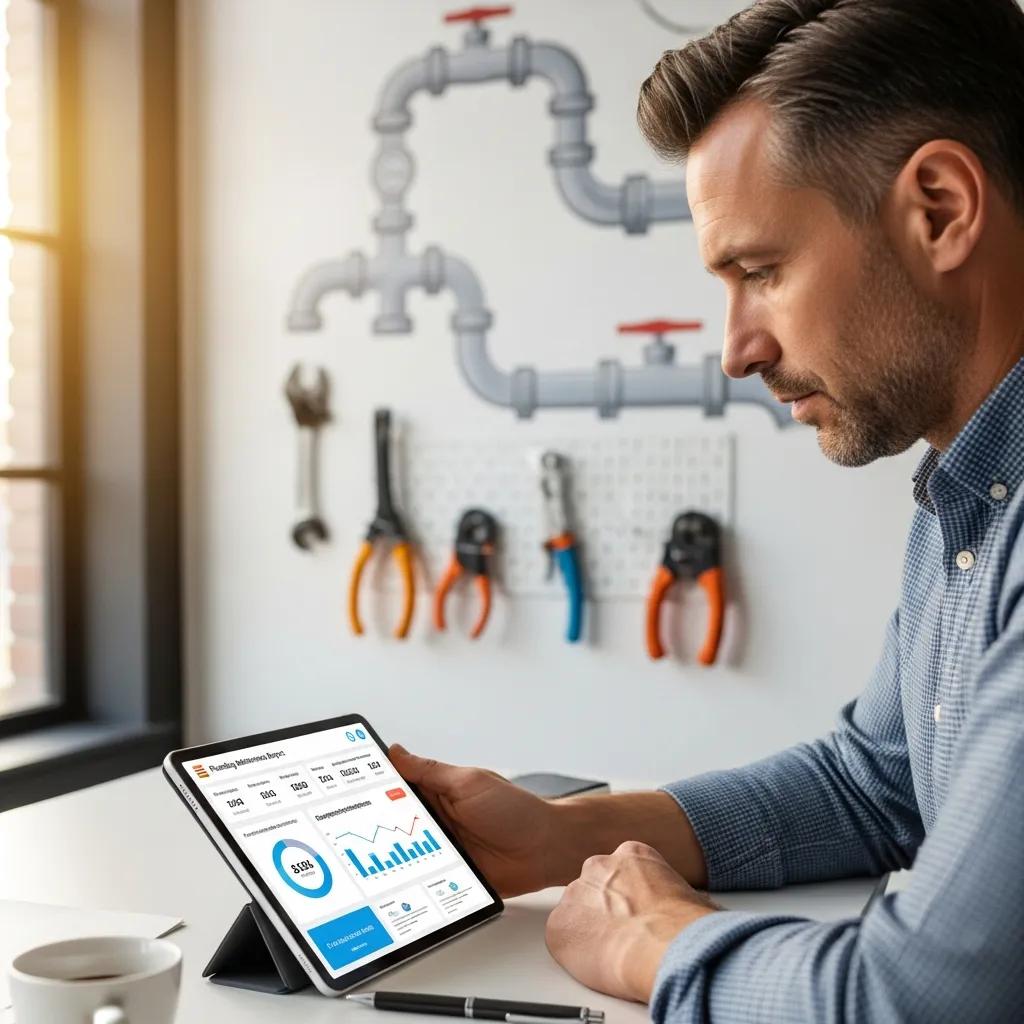
One of the most significant benefits of preventative commercial plumbing maintenance is the potential for substantial cost savings. Regular maintenance can save businesses between 10-20% on repair costs compared to those that neglect their plumbing systems. Additionally, structured maintenance programs can reduce emergency plumbing expenses by up to 50%. Proactive repairs not only extend the lifespan of plumbing systems but also prevent costly emergency situations that can disrupt business operations.
Further research supports the financial advantages of preventative maintenance over reactive approaches.
Preventive vs. Corrective Maintenance: Cost-Benefit Analysis
cost-benefit analysis of preventive maintenance (PM) versus corrective maintenance (CM) and operational benefits of implementing a preventive maintenance strategy. A comprehensive cost-benefit analysis of preventive maintenance versus corrective maintenance: assessing the financial impact and operational benefits in …, 2025
| Service | Benefit | Cost |
|---|---|---|
| Routine Inspections | Early detection of issues | $150 per visit |
| Leak Detection | Prevents water damage | $200 per inspection |
| Drain Cleaning | Reduces clogs and backups | $100 per service |
These cost-saving measures highlight the financial advantages of investing in preventative plumbing maintenance, making it a wise choice for facility managers.
A detailed cost-benefit analysis further illustrates the financial prudence of adopting a preventative maintenance strategy.
PM vs. CM: Cost Comparison & Benefit Analysis
preventive maintenance (PM) and corrective maintenance (CM), together with a cost–benefit analysis (CBA) to assess the financial impact by analysing historical maintenance data. Preventive and corrective maintenance–cost comparison and cost–benefit analysis, C Stenström, 2016
Risk Reduction:
Preventative maintenance plays a crucial role in mitigating risks associated with plumbing systems. Regular maintenance helps identify and address potential health hazards, such as leaks that can lead to mold growth or water contamination. Proactive measures also prevent operational disruptions caused by plumbing failures, ensuring that businesses can maintain productivity. Routine checks minimize emergency risks, allowing facility managers to focus on their core responsibilities without the constant worry of unexpected plumbing issues.
How Does Preventative Maintenance Reduce Emergency Repairs and Downtime?
By implementing a preventative maintenance schedule, businesses can significantly reduce the likelihood of emergency repairs. Regular inspections catch small issues early, allowing for timely interventions before they escalate into major problems. For instance, timely drain cleaning can prevent blockages that might otherwise lead to extensive damage and costly repairs. Monitoring pressure levels also helps prevent breakdowns, ensuring that plumbing systems function optimally.
In What Ways Does Scheduled Plumbing Care Lead to Cost Savings?
Scheduled plumbing care leads to cost savings through early issue detection, which prevents major repairs from becoming necessary. By addressing minor problems before they escalate, businesses can avoid the high costs associated with emergency repairs. Additionally, well-maintained plumbing systems operate more efficiently, leading to lower utility bills and reduced overall operational costs.
Impact on Operational Efficiency:
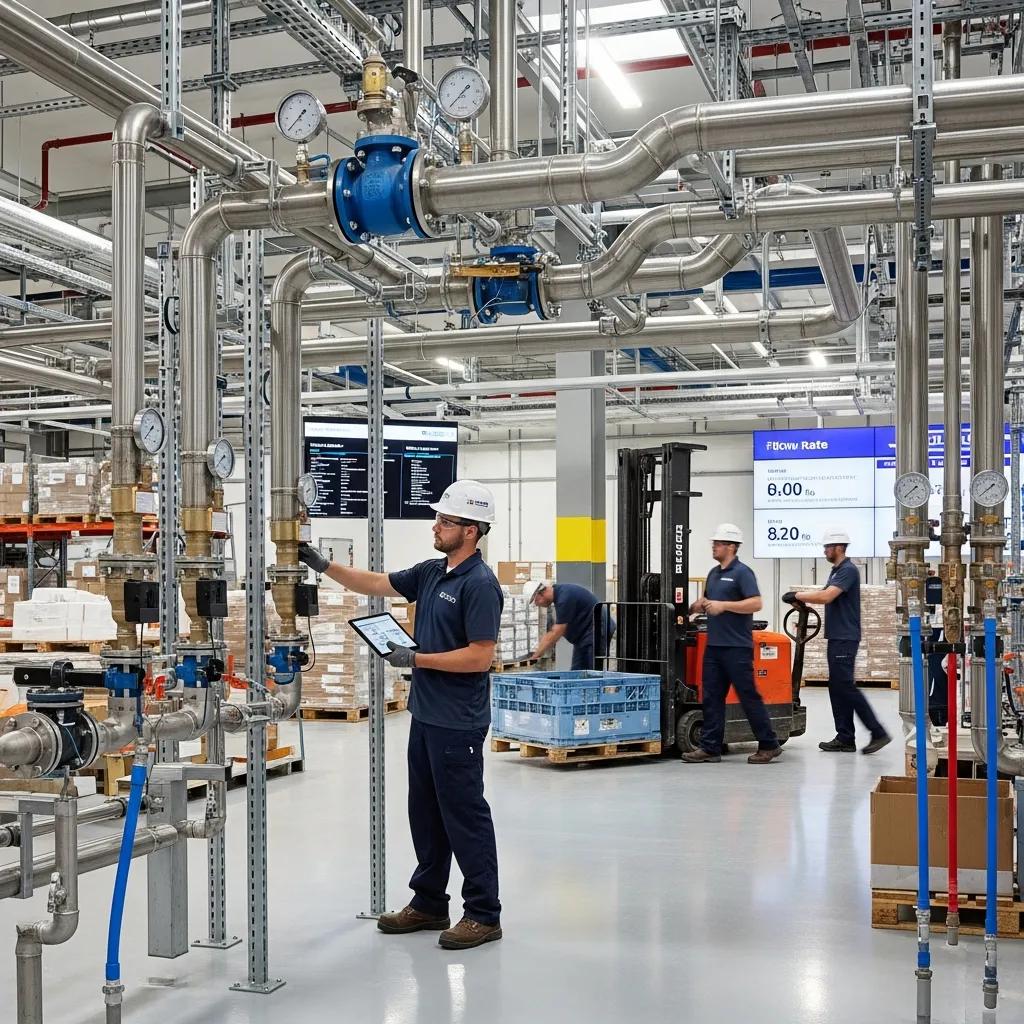
Effective preventative plumbing maintenance directly impacts operational efficiency. Well-maintained systems function optimally, reducing the likelihood of unexpected failures that can disrupt business activities. Regular inspections and maintenance contribute to customer satisfaction by ensuring that facilities remain functional and comfortable. Businesses that schedule quarterly inspections report a significant reduction in emergency repairs, allowing them to allocate resources more effectively.
Studies confirm that a focus on preventative maintenance, including routine inspections, significantly enhances operational efficiency in commercial settings.
Preventative Maintenance for Commercial Plumbing Efficiency
in commercial buildings, with a specific focus on preventative maintenance and its impact on operational efficiency. This included routine inspections of critical systems such as plumbing. Evaluating the Impact of Preventative Maintenance on Operational Efficiency in Australian Commercial Buildings, 2024
What Are the Key Advantages of Preventative Commercial Plumbing Maintenance?
The key advantages of preventative commercial plumbing maintenance include:
- Cost Savings: Regular maintenance reduces repair costs and emergency expenses.
- Increased Efficiency: Well-maintained systems operate more effectively, minimizing disruptions.
- Extended Lifespan: Proactive care prolongs the life of plumbing systems, maximizing investment.
These benefits underscore the importance of adopting a preventative maintenance approach for commercial plumbing systems.
What Components Constitute Effective Commercial Plumbing Maintenance Plans?
Effective commercial plumbing maintenance plans typically include several essential components:
- Routine Inspections: Regular checks to identify potential issues.
- Preventative Repairs: Addressing minor problems before they escalate.
- Cleaning Protocols: Ensuring drains and pipes are clear of debris.
These components work together to create a comprehensive maintenance strategy that supports the longevity and efficiency of plumbing systems.
Which Inspection and Leak Detection Activities Are Included?
Inspection and leak detection activities are critical components of a preventative maintenance plan. These activities often include:
- Routine Visual Inspections: Checking for visible signs of wear or damage.
- Pressure Monitoring: Ensuring systems operate within safe pressure levels.
- Meter Checks for Leaks: Identifying hidden leaks that could lead to significant damage.
By incorporating these activities into maintenance plans, facility managers can effectively mitigate risks and maintain operational efficiency.
How Do Cleaning and Minor Repairs Enhance System Longevity?
Cleaning and minor repairs play a vital role in enhancing the longevity of plumbing systems. Routine cleaning prevents clogs that can lead to backups and damage. Additionally, addressing minor repairs promptly prevents major failures that could necessitate costly replacements. Establishing a maintenance schedule is crucial for ensuring that these tasks are completed regularly, thereby extending the life of plumbing systems.
How Does Preventative Plumbing Maintenance Ensure Compliance and Safety for Businesses?
Preventative plumbing maintenance is essential for ensuring compliance with health and safety regulations. Regular maintenance helps businesses adhere to local plumbing codes and standards, reducing the risk of fines or legal issues. Furthermore, maintaining plumbing systems ensures that health and safety standards are upheld, protecting both employees and customers.
What Regulatory Standards Must Commercial Plumbing Maintenance Meet?
Commercial plumbing maintenance must meet several regulatory standards, including:
- Health and Safety Compliance: Ensuring systems do not pose health risks.
- Backflow Prevention Regulations: Protecting water supply from contamination.
- Local Plumbing Codes: Adhering to specific requirements set by local authorities.
By understanding and complying with these standards, facility managers can ensure that their plumbing systems are safe and reliable.
How Does Maintenance Mitigate Facility Plumbing Risks?
Regular maintenance mitigates plumbing risks by identifying and addressing potential issues before they escalate. Routine inspections catch problems early, allowing for timely repairs that prevent costly emergencies. Preventative repairs also help avoid major failures, while cleaning protocols reduce the likelihood of clogs and backups.
How Can Facility Managers Request and Customize Commercial Plumbing Maintenance Services?
Facility managers can request and customize commercial plumbing maintenance services by engaging with local plumbing contractors. Customization options may include:
- Frequency of Inspections: Tailoring the schedule to meet specific needs.
- Inclusion of Emergency Services: Ensuring rapid response capabilities are part of the plan.
- Specific Services: Selecting services that address unique facility requirements.
By working closely with plumbing professionals, facility managers can create a maintenance plan that aligns with their operational goals.
What Are the Options for Tailored Maintenance Plans?
Tailored maintenance plans offer several options for facility managers, including:
- Customizable Inspection Frequency: Adjusting how often inspections occur based on facility needs.
- Specific Service Selection: Choosing services that address particular plumbing concerns.
- Transparent Pricing Structures: Ensuring clarity in costs associated with maintenance services.
These options allow facility managers to create a maintenance plan that best fits their operational requirements.
How Does Rapid Response Support Minimize Business Disruption?
Rapid response capabilities are essential for minimizing business disruption in the event of plumbing emergencies. Key aspects include:
- 24/7 Availability for Emergencies: Ensuring that help is always accessible.
- Quick Response Times: Reducing damage through prompt action.
- Specialized Equipment for Efficient Repairs: Utilizing advanced tools to expedite repair processes.
By prioritizing rapid response, businesses can maintain operational continuity and minimize the impact of plumbing issues.