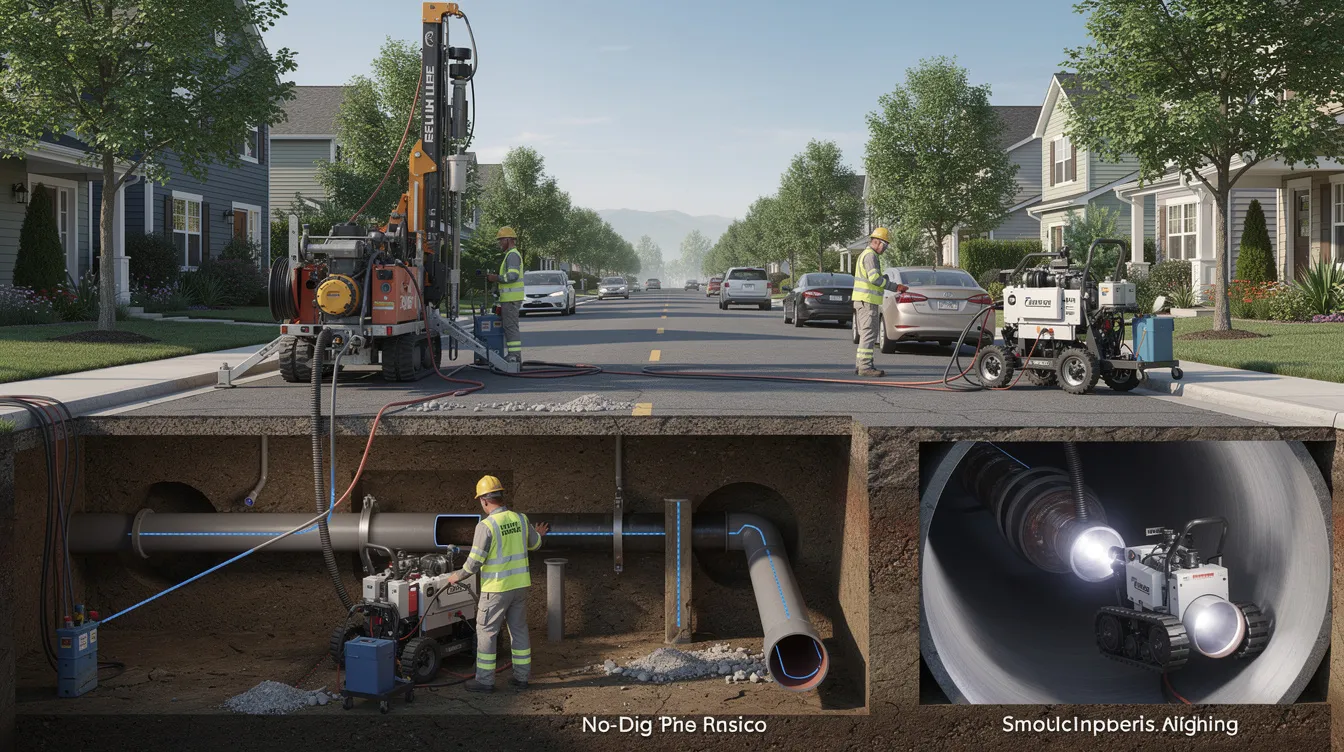
Underground pipes don’t last forever. When sewer lines crack, corrode, or fill with roots, the repair process has traditionally meant tearing up yards, driveways, and sometimes even interior floors. Trenchless solutions change that equation. These no-dig and low-dig methods let technicians repair or replace damaged underground pipes through small access holes, preserving your property and often finishing the job in a fraction of the time.
Key Takeaways
-
Trenchless solutions are no-dig or low-dig methods-like pipe lining and pipe bursting-used to repair or replace underground sewer lines and drains with minimal disruption to your property’s surface.
-
Trenchless pipe repair is typically faster than traditional excavation, often completed in a single day, and can be more cost effective overall once you factor in landscaping, concrete replacement, and business downtime.
-
Common trenchless repair methods include cured in place pipe (CIPP) lining, pipe bursting, and spot repairs, each suited to specific pipe conditions and materials.
-
Camera inspections are critical to assess pipe condition and decide whether a trenchless repair method is viable, especially for older sewer line systems or commercial properties.
-
Trenchless technology is long-lasting-many cured in place pipe systems are rated for 50+ years-and it significantly reduces environmental impact compared to open-trench digging.
What Are Trenchless Solutions?
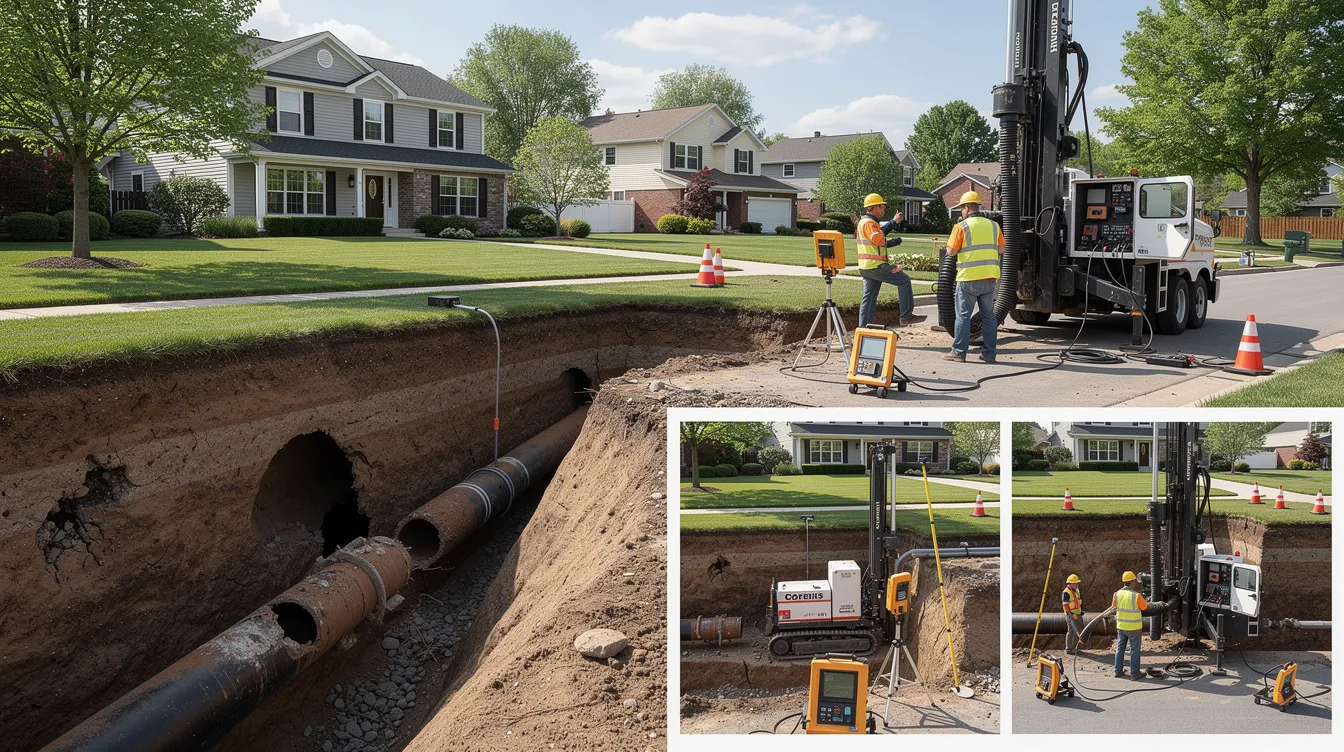
Trenchless solutions are a family of no-dig or low-dig technologies used for sewer line repair, drain repair, and pipe rehabilitation beneath homes, streets, and commercial properties. Instead of opening a long trench across your yard or through a parking lot, these methods install, repair, or rehabilitate underground infrastructure with minimal excavation.
Technicians work through small access points-cleanouts, manholes, or compact pits-to repair or replace the existing pipe from the inside or along its original path. The core trenchless techniques include cured in place pipe (CIPP) pipe lining, pipe bursting, slip lining, and spray-in-place pipe coatings. Of these, CIPP lining and pipe bursting are the most common for residential sewer repair.
These methods address a wide range of pipe materials and sizes. Clay, cast iron, Orangeburg, PVC, and concrete sewer pipes in diameters from roughly 2 inches up to 24 inches (and much larger for municipal mains) are all candidates. Trenchless solutions work on both private laterals running from your home to the street and on larger municipal sewer lines. The sections below cover specific repair methods, benefits, limitations, costs, and how to decide if trenchless plumbing repair is right for your situation.
How Trenchless Sewer Repair Works (Step-by-Step Overview)
While details vary by repair method, most trenchless projects follow a similar sequence: inspection, cleaning, method selection, installation, and final verification.
The process typically starts with an initial site visit and camera inspections of the sewer line. Inspectors use advanced diagnostic tools like video inspections to evaluate pipe condition-mapping cracks, offsets, root intrusion, and buildup throughout the entire length. Based on those findings, the contractor selects the best approach: pipe lining, pipe bursting, spot repair, or in some cases, a combination. Specialized equipment is staged at the property, the repair is performed, and a post-repair camera inspection confirms everything is sealed and functioning.
Access is usually gained through an existing cleanout, a basement connection, or small access holes near the foundation or property line. Trenchless methods typically require only two small access pits for operation rather than a full-length trench. For many residential jobs, trenchless sewer line repair can be started and completed on the same day if weather, access, and pipe condition cooperate.
Utility locating is a critical step. Gas, water, and electrical lines must be mapped before any work begins, and permits from local authorities are typically required-especially in dense neighborhoods or near commercial properties.
Common Trenchless Repair Methods
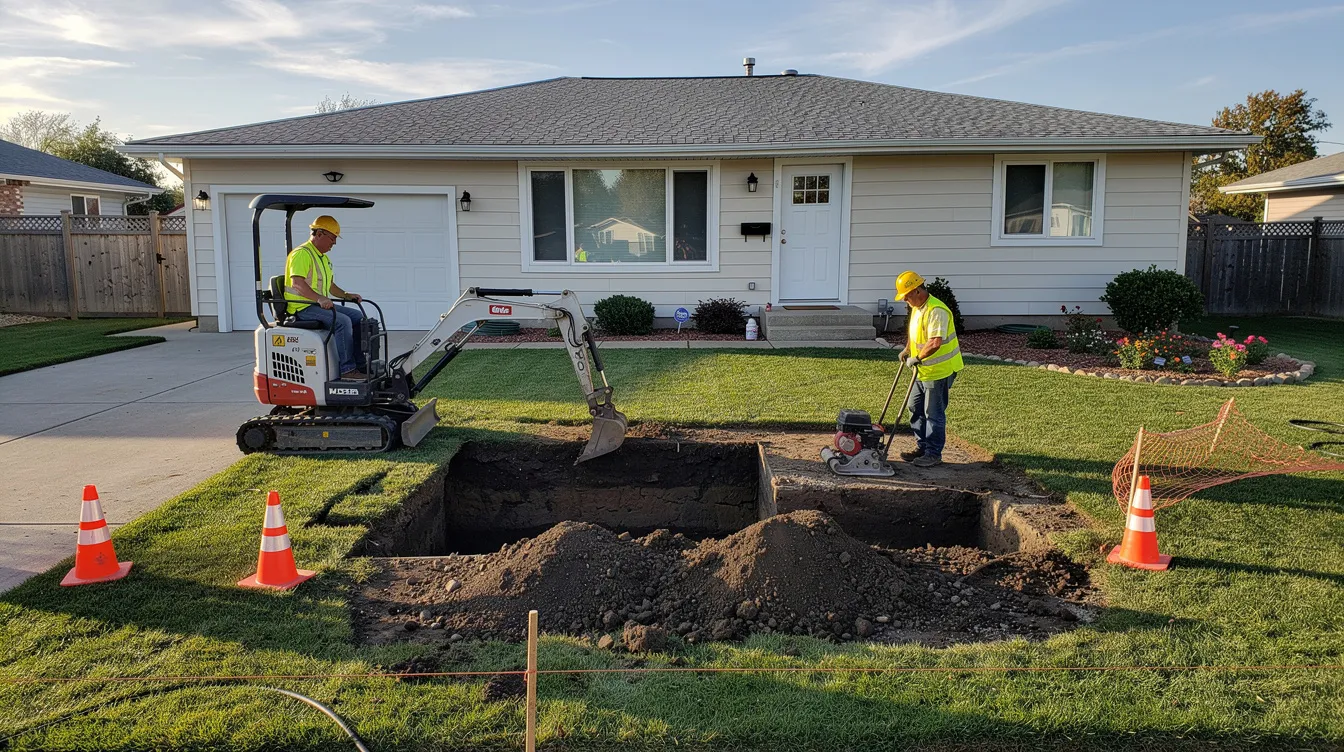
Different trenchless methods are chosen based on the type and severity of pipe damage, the pipe material, diameter, and whether the goal is full replacement or internal reinforcement. No single technology is “best” for every situation. The choice depends on pipe condition, soil type, depth, and whether upsizing the sewer line is desired.
Professional contractors will often combine methods-for example, high pressure water jetting for cleaning followed by CIPP lining, or camera inspections followed by targeted spot repairs-for the best result. Here’s how the main trenchless repair options break down.
Cured-in-Place Pipe (CIPP) Pipe Lining
CIPP lining is a trenchless pipe lining process where a flexible liner, called a resin saturated liner, is inserted into the existing pipe and cured in place to create a seamless new pipe inside the old pipe. The resin-impregnated felt or fabric tube conforms to the host pipe’s shape and, once hardened, becomes a structural pipe within the original.
The new liner is positioned using inversion-turning the liner inside out with water or air pressure-or by pulling it into place inside the pipe. It’s then cured with hot water, steam, or UV light to harden into a rigid, corrosion-resistant pipe. After curing, branch connections and service connections are reopened using robotic cutters.
Cured in place pipe liners are engineered to last 50 years or more, resist root intrusion and corrosion, and restore structural integrity without removing the old pipe. CIPP liners can last over 50 years when installed correctly-a retrospective study of liners installed in Columbus, Ohio and Denver, Colorado as far back as 1984 found that they retained substantial mechanical properties after nearly 30 years of service. Typical use cases include moderate cracking, pinhole leaks, minor offsets, and root-damaged clay sewer lines where the original pipe is still mostly in place and not completely collapsed.
“CIPP,” “cured in place pipe,” “place pipe CIPP,” and “CIPP lining” all refer to this same general technology, with variations in resin type and curing method.
Pipe Bursting: Trenchless Full Replacement
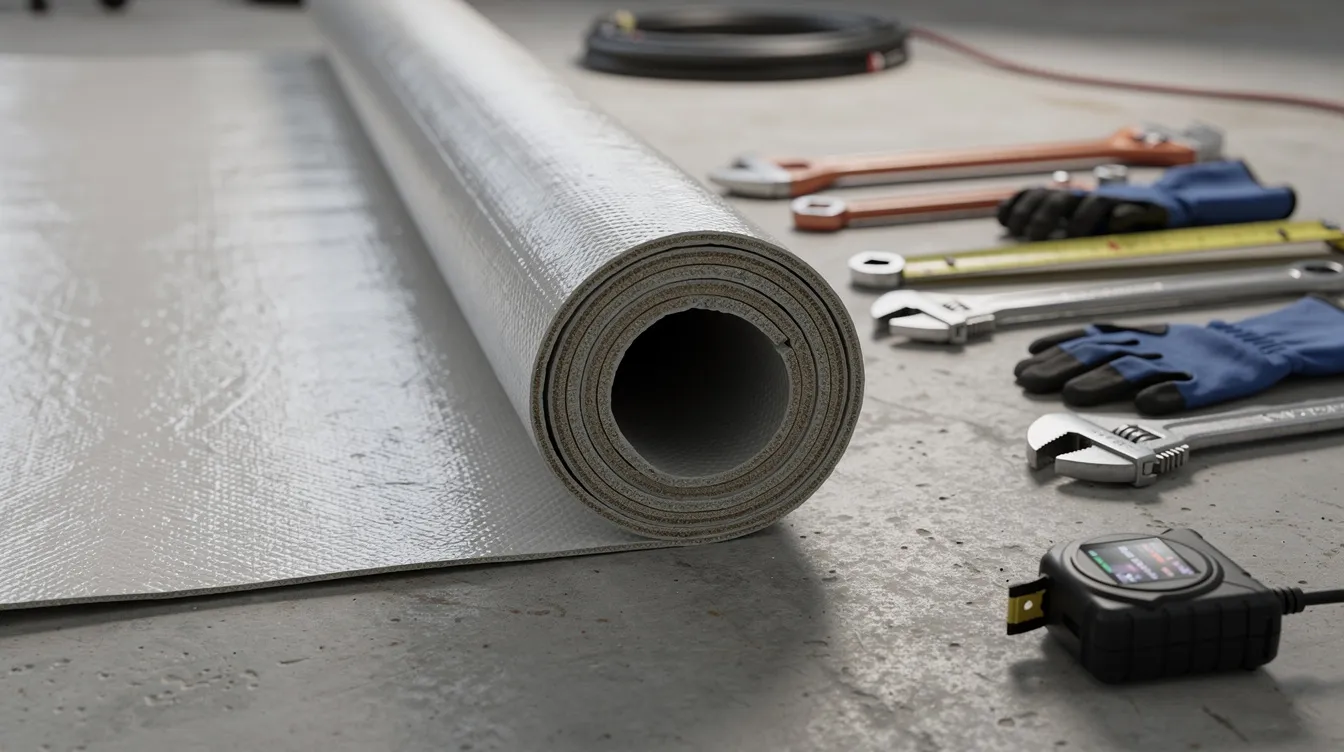
Pipe bursting is a trenchless method that fractures the existing pipe outward using a conical bursting head while pulling a new pipe-typically high-density polyethylene (HDPE)-into the same alignment. Many trenchless techniques use high-density polyethylene pipe for durability because of its resistance to corrosion, root intrusion, and joint failure.
Pipe bursting requires an entry pit and an exit pit but still avoids cutting a continuous trench along the pipe route, protecting the surrounding landscape, driveways, and sidewalks. It replaces damaged pipes without extensive excavation. Bursting is ideal when the damaged pipe is severely cracked, crushed in sections, or undersized, because it can fully replace the sewer line and even install a larger diameter pipe for better flow capacity.
Pipe bursting can be used on many materials-clay, cast iron, Orangeburg, and some PVC-but the surrounding soil must be able to accommodate the outward displacement of fragments. Compared to pipe lining, bursting removes and replaces the entire line, whereas CIPP relies on the host pipe as a form and provides a new liner inside it.
Other Trenchless Pipe Rehabilitation Techniques
Beyond CIPP and pipe bursting, several supplementary trenchless methods round out the toolkit:
-
Slip lining involves inserting a new pipe into an existing one and grouting the annular space between them. It works best for long, straight runs where a modest reduction in diameter is acceptable, such as storm drains or some commercial sewer line systems.
-
Spray-in-place pipe (SIPP) coatings apply epoxy or polymer layers to the pipe interior. This is a non-structural or semi-structural method used mainly to stop corrosion and minor leaks in larger-diameter pipes where full liners may be impractical.
-
Spot repair liners address only small segments of pipe rather than the entire length, offering a targeted, budget-friendly option when damage is isolated.
-
Horizontal Directional Drilling (HDD) bores a pilot hole for new pipeline installation, used primarily when installing an entirely new pipe route rather than repairing an existing one.
All of these are part of a broader trenchless solutions toolkit and may be combined with traditional point repairs where needed.
Key Benefits of Trenchless Solutions
Homeowners, property managers, and municipalities increasingly favor trenchless sewer repair over traditional excavation for practical reasons. The main benefits include minimal property damage, faster completion, long service life, lower total cost when surface restoration is included, and reduced environmental impact.
While per-foot repair cost may be higher than digging, trenchless solutions often win on overall cost when you factor in replacing landscaping, concrete, interior finishes, and lost business for commercial properties. Trenchless methods preserve landscaping and reduce restoration costs. Occupants can usually remain in the building, with shorter sewer outages and less noise and dust compared to traditional methods.
Minimal Property Damage and Disruption
Trenchless pipe repair preserves lawns, mature trees, patios, driveways, and interior flooring because work is concentrated around small access points instead of a continuous trench. Trenchless methods minimize surface disruption during repairs.
Consider this: a 60-foot sewer line under a stamped-concrete driveway can be repaired via pipe lining through a cleanout and a small pit near the street-no demolition, no re-pouring. For commercial properties, minimizing downtime and preserving parking lots or entryways can be more valuable than direct construction savings. Trenchless technology can also lessen disruption to traffic and public safety, since streets often remain open or only partially closed during trenchless sewer line work.
Speed, Convenience, and Long-Term Performance
Many residential trenchless sewer repairs-including CIPP lining of a typical 4- to 6-inch line up to about 100 feet-can be completed in a single day once permits and planning are in place. Projects using trenchless methods can often be completed faster than traditional digging, meaning less time without service, fewer days of noise, and fewer schedule disruptions.
Trenchless repairs use durable materials like epoxy liners and HDPE replacement pipes, with typical design lives of 50 years or more. These materials resist the main causes of failure in older clay and cast-iron sewer lines: root intrusion, joint separation, and corrosion. Many contractors provide multi-year or even decades-long warranties on trenchless installations, reflecting confidence in long term solution performance.
Environmental and Community Advantages
Trenchless solutions reduce excavation volume, haul-off of contaminated soil, and fuel consumption from heavy machinery, resulting in a lower carbon footprint than traditional methods. Trenchless methods reduce environmental disruption compared to traditional methods-preserving ecosystems and minimizing soil erosion.
Because cured in place pipe and HDPE liners are jointless and leak-resistant, they reduce groundwater infiltration and exfiltration of sewage, protecting local water quality. Keeping roads and sidewalks intact means less noise, dust, and traffic diversion for the surrounding community.
Modern trenchless methods are designed with environmental safety in mind, including proper handling of resin and curing effluent during installation.
Limitations: When Trenchless May Not Be the Best Option
Trenchless sewer repair is not suitable for every situation, and an honest evaluation sometimes points to traditional excavation as the better or only choice.
Common conditions where trenchless methods are limited include:
-
Severely collapsed pipes with no open path for equipment
-
Extreme misalignment, deep bellies, or sags
-
Inaccessible pipe runs beneath foundations or tight crawlspaces
-
Incompatible pipe diameters or layouts
Camera inspections-and sometimes sonar or laser profiling for larger mains-are used to confirm whether the pipe can accept a new liner or bursting head.
Be skeptical of any provider that insists trenchless is always the right choice. It’s one powerful tool in a broader toolbox, not a one-size-fits-all answer.
Pipe Condition and Structural Issues
Trenchless lining and bursting both require some degree of continuity: there must be a navigable path for pull cables, liners, and cameras to reach all sections. If pipes are so completely collapsed, crushed by tree roots, or shifted by soil movement that equipment cannot pass through, extensive excavation becomes necessary.
Deep bellies in the line can be lined but not always corrected by CIPP. In such cases, pipe bursting or regrading with traditional pipe replacement may be needed. A thorough pre-project assessment using camera inspections and locators to trace depth and alignment is critical to avoid wasted effort and cost.
Site Constraints, Utilities, and Regulatory Limits
Nearby utilities-gas, water, fiber-optic lines-can restrict pipe bursting if there is risk of displacing or damaging adjacent services. Some municipalities have specific rules, permits, or inspection requirements for trenchless sewer line work, and experience with local regulations is crucial for compliance.
Limited access for specialized equipment (narrow side yards, low-clearance crawlspaces, steep terrain) can make certain trenchless setups impractical. In some older homes, especially those built before 1950 with unusual plumbing layouts, it may not be possible to line every section of pipe inside without removing specific fittings or transitions. Always ask providers about depth limits, maximum workable pipe length in one run, and protections for nearby structures.
Role of Camera Inspections in Trenchless Pipe Repair
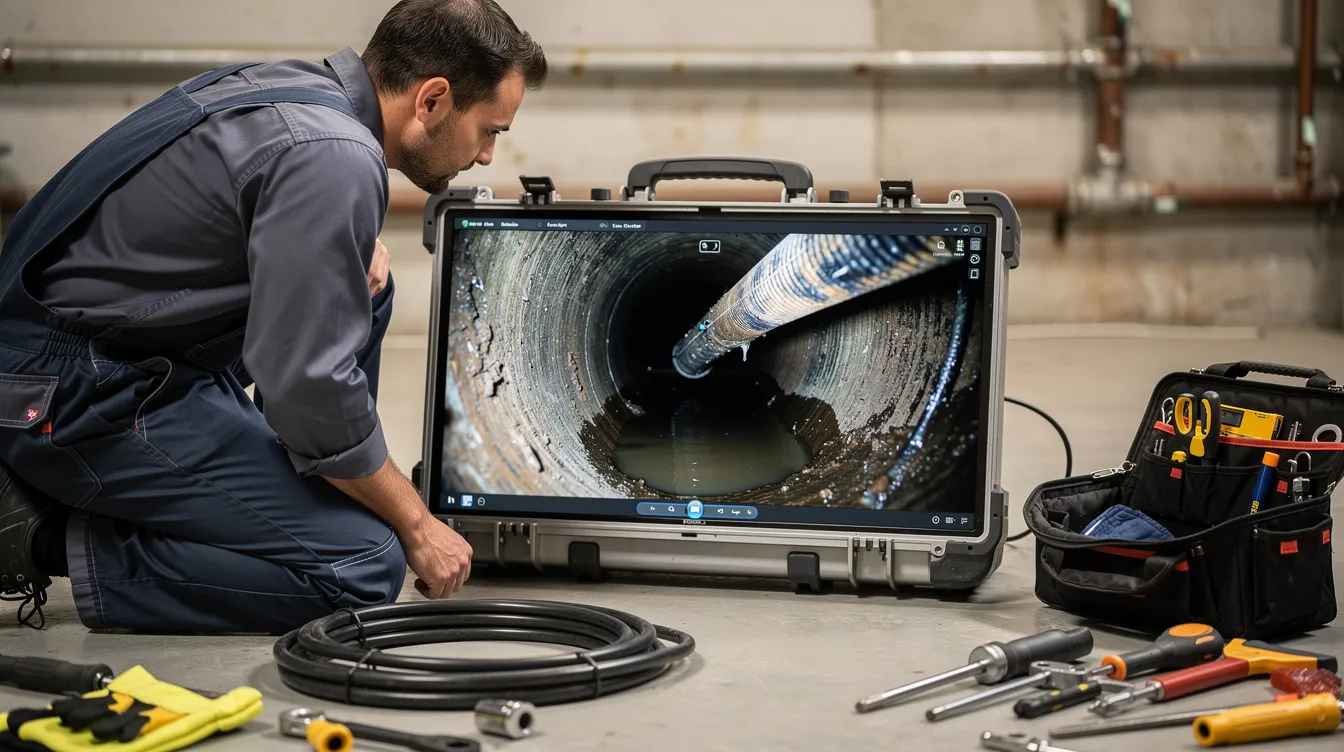
Sewer camera inspections are the starting point for any serious trenchless project. Decisions about pipe lining, pipe bursting, or traditional repair all depend on accurate information about pipe condition.
A high-definition camera mounted on a flexible cable or robotic crawler is inserted into the sewer line, recording video and measuring distance from the entry point. Common problems revealed include cracks, joint offsets, root intrusion, grease buildup, corrosion, bellies, and partial or full collapses. Inspection reports typically include video files, still images, and a written log with footage distances so future trenchless repairs can target precise locations.
Post-repair camera inspections are also standard practice to verify that the liner is properly cured, joints are sealed, and all service connections have been reopened correctly.
Interpreting Pipe Condition and Choosing the Repair Method
Professionals interpret camera data to categorize damage as minor, moderate, or severe, then match each category with the appropriate trenchless or traditional solution:
-
Minor cracks and root intrusion typically point toward full-length CIPP lining
-
Localized damage might be handled with a spot repair
-
Severe crushing or missing sections often require pipe bursting or open-cut excavation
Measuring slope and flow direction during inspection helps determine whether existing grade is sufficient or if the pipe needs to be reset. The pipe material identified-clay, cast iron, PVC, Orangeburg-affects not just the repair method but also the resin type, liner thickness, or replacement pipe selected. Property owners should request a copy of their inspection footage and written findings to make informed decisions and seek a second opinion if needed.
Trenchless Solutions for Residential vs. Commercial Properties
Trenchless technology is fundamentally the same for residential and commercial settings, but the challenges differ. Residential properties typically deal with root-damaged clay sewer lines, aging cast-iron under slab foundations, and the need to preserve yards and driveways. Commercial properties-restaurants, hospitals, retail centers, multi-tenant buildings-face higher flow volumes, larger-diameter sewer lines, grease-related blockages, and significant plumbing issues tied to business downtime.
Commercial trenchless projects often require night or weekend work, more robust bypass pumping setups, and coordination with building management and city inspectors. Many large pipe rehabilitation projects use a mix of methods-CIPP liners on mains, pipe bursting on laterals, spot repairs on tie-ins-to control cost and disruption.
Special Considerations for High-Use and Critical Facilities
Facilities like hospitals, data centers, and large apartment complexes often cannot tolerate long service interruptions, making fast trenchless solutions especially valuable for those environments. Planning may involve staging temporary restrooms, scheduling work in phases, and implementing bypass systems.
Grease-heavy lines from commercial kitchens may require multiple rounds of hydro jetting before pipe relining or other pipe rehabilitation can be attempted. Property managers should maintain updated maps of sewer line routes, cleanout locations, and prior repairs to streamline future trenchless work and emergency response. Commercial warranties, maintenance plans, and periodic camera inspections are often included after major projects to protect the owner’s investment.
Cost Factors for Trenchless Sewer Line Repair
Costs vary widely, but understanding the main drivers helps property owners interpret quotes and budget realistically. Primary cost factors include total length of the sewer line segment, pipe diameter and pipe material, depth and accessibility, chosen repair method (pipe lining vs. pipe bursting vs. spot repair), and any required bypass pumping. These variables all affect pricing significantly.
Trenchless solutions provide cost efficiency by reducing surface restoration fees-you’re not paying to tear out and rebuild driveways, landscaping, or interior floors. Camera inspections and diagnostics are an up-front cost but save money by preventing misdiagnosis and unnecessary extensive digging.
Ask providers for itemized estimates showing line items such as mobilization, cleaning, camera inspections, pipe lining or bursting, reinstating branch connections, and surface restoration.
Comparing Trenchless vs. Traditional Excavation Costs
Traditional pipe replacement through open-trench excavation might appear cheaper per linear foot, but the overall cost climbs fast when you add landscaping, driveway replacement, sidewalk repair, and multiple days of heavy machinery and labor. Trenchless repair costs more per linear foot than traditional methods in direct material and equipment terms, yet total trenchless project costs are often lower than traditional excavation once restoration is included. Trenchless methods reduce landscaping restoration costs after repairs.
Consider a 40-foot sewer line under a concrete driveway: traditional excavation involves saw-cutting, hauling debris, re-pouring concrete, and several days of time consuming labor. A one-day CIPP liner avoids all of that. Trenchless methods generally require fewer workers for fewer days, lowering labor costs. Complex factors like deep pipes, difficult soils, or limited access increase costs for both approaches but typically penalize open-cut more heavily.
How to Choose the Right Trenchless Repair Method and Provider
Success with trenchless solutions depends on two decisions: selecting the appropriate repair method for the pipe condition and hiring a provider with the skill and specialized equipment to execute it correctly. A reputable provider will have a history of successful projects and certified professionals for trenchless techniques.
Be wary if only one repair method is ever recommended regardless of pipe condition. For substantial projects, obtain at least two quotes and compare not just price but the thoroughness of the inspection, clarity of the repair plan, and warranty terms. Providers should offer warranties covering labor and materials. Choose licensed, insured professionals who can show training or certification specific to trenchless plumbing and trenchless pipe rehabilitation, not just general plumbing.
Questions to Ask a Trenchless Contractor
Before signing, ask these questions:
-
“What did the camera inspection show, and can I have a copy of the video?”
-
“Which trenchless repair options are you recommending and why?”
-
“Is my pipe a good candidate for pipe lining, pipe bursting, or both?”
-
“What liner thickness, resin type, and curing method will you use?”
-
“How long will sewer service be unavailable, and what protections will be in place for my surrounding landscape or interior finishes?”
-
“What does your warranty cover, how long does it last, and how are post-repair callbacks handled?”
-
“Will you perform a post-installation camera inspection to verify proper installation?”
Clarify clean-up responsibilities and ask about follow-up services such as periodic maintenance plans.
FAQ: Trenchless Solutions and Sewer Repair
These frequently asked questions address common concerns that may not have been fully covered above. The answers are kept practical and non-technical where possible.
How long do trenchless repairs like CIPP and pipe bursting typically last?
Most cured in place pipe liners and HDPE replacement pipes are engineered with a design life of 50 years or more, comparable to or better than new PVC sewer lines installed by traditional methods. Actual lifespan depends on proper installation, soil conditions, and what flows through the pipe-heavy grease or industrial waste can shorten life if not managed. Many manufacturers and contractors back their products with warranties ranging from 10 years to several decades.
Will my yard or driveway need any digging at all with trenchless repair?
Truly “no-dig” repairs are rare. In most cases, trenchless sewer repair uses small access points-at least one small pit or an existing cleanout-but this is far less disruptive than a full-length trench. CIPP often uses existing cleanouts and a single small pit near the property line, while pipe bursting typically needs an entry and exit pit. Ask your contractor to mark exactly where pits will be and how surfaces will be restored afterward.
Can trenchless methods be used in winter or during rainy seasons?
Trenchless sewer repair can usually be performed year-round, but extreme cold, heavy rain, or saturated soils can complicate curing times, access, and worker safety. Resin-based place pipe systems have specific temperature requirements for proper curing, so contractors may use tents or heaters during colder months. When possible, scheduling major work during milder weather offers more flexibility, but emergency dig sewer repair alternatives using trenchless methods remain available in most conditions.
Does homeowner’s insurance typically cover trenchless sewer repairs?
Coverage varies widely by policy and insurer. Many standard homeowner policies exclude normal wear-and-tear or age-related deterioration of sewer lines, regardless of repair method. Sudden, accidental damage-such as from a specific event or severe root intrusion-may be partially covered, but the cost of upgrading from traditional to trenchless is often the property owner’s responsibility. Review your policy language and speak with your insurance agent before work starts.
How should I maintain my pipes after a trenchless repair?
Schedule periodic camera inspections-especially for commercial properties or high-use lines-to confirm that the lined or replaced pipe is performing as expected and that no new issues have developed. Avoid flushing wipes, grease, and other non-dissolving materials, even after a new liner or replacement is installed. Some contractors offer ongoing maintenance programs, including routine hydro jetting for restaurants or multi-unit buildings, to prolong the life of both new and existing pipe segments.