
Navigating Commercial Plumbing Code Compliance: Comprehensive Guide to Permits, Inspections, and Regulatory Standards
Navigating the intricacies of commercial plumbing code compliance can be daunting for businesses. Understanding these regulations is essential to ensure safety, avoid costly fines, and maintain a seamless operational flow. This guide is specifically designed to illuminate the various aspects of plumbing code compliance, including permits, inspections, and the latest regulatory standards. Many business owners often grapple with understanding the mandates set forth by local and federal authorities. By breaking down these complexities, we aim to provide effective solutions and proactive strategies for maintaining compliance. Throughout this article, we’ll explore the key requirements of the commercial plumbing code, the implications of Oklahoma City’s specific regulations, best practices in water system compliance, and how contractors can effectively navigate licensing requirements.
What Are the Key Requirements of the Commercial Plumbing Code for Businesses?
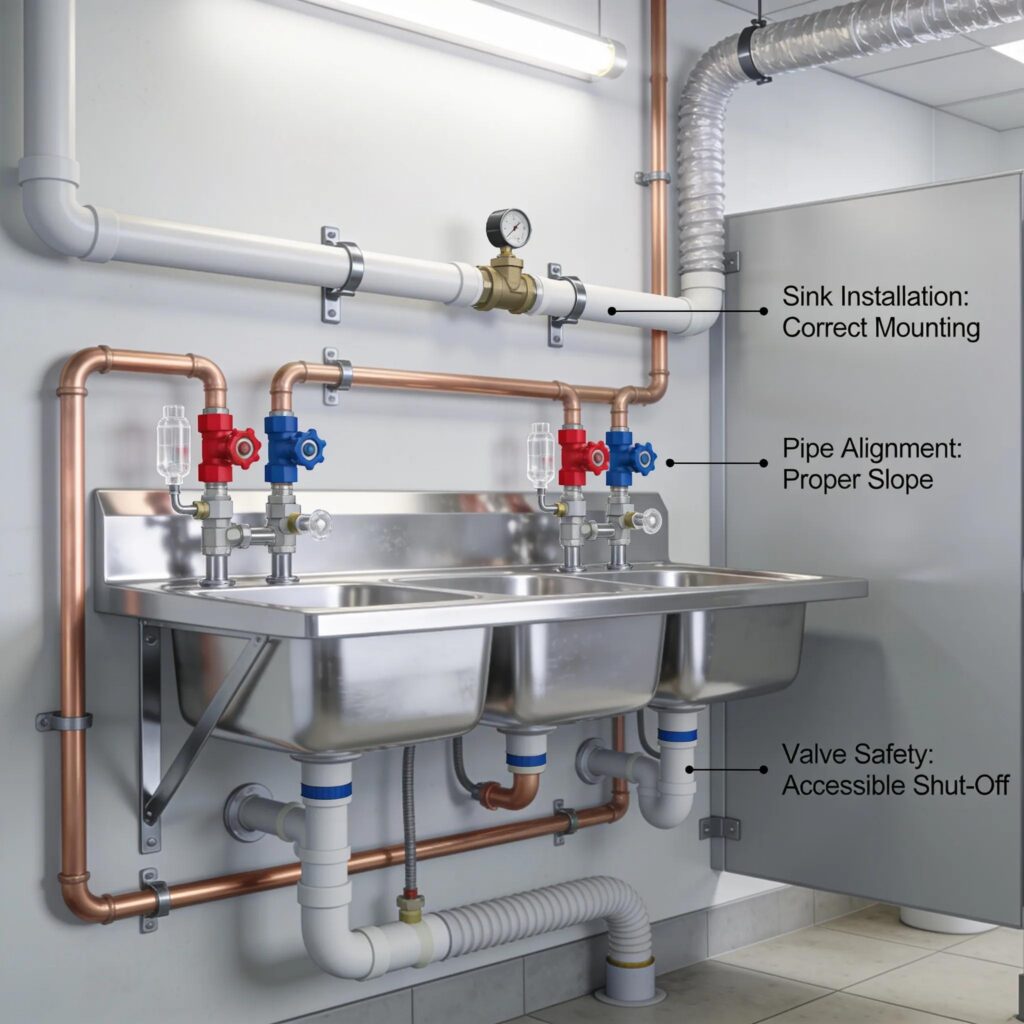
The Commercial Plumbing Code outlines essential requirements that businesses must adhere to in order to ensure safe and efficient plumbing installations. These regulations govern everything from installation practices to maintenance procedures, aimed at safeguarding public health and welfare. Compliance necessitates understanding various critical components, such as plumbing fixtures, drainage systems, and venting requirements. Key compliance aspects often include adherence to safety standards set by regulatory authorities and knowledge of local codes to avoid common violations that could lead to penalties or operational delays.
How Does the Commercial Plumbing Code Govern Installation and Safety Standards?
The Commercial Plumbing Code establishes comprehensive installation and safety standards that must be followed to mitigate risks associated with plumbing systems. These standards address various factors, including material specifications, structural requirements, and the overall design of plumbing systems. For instance, the code mandates the use of approved materials for pipes and fixtures to enhance durability and performance. Moreover, businesses are required to implement practices that ensure proper water flow and prevent backflow, significantly reducing the likelihood of contamination. Implementing these installation standards not only complies with legal frameworks but also enhances the reliability and safety of plumbing infrastructure.
What Are the Latest Updates in Commercial Plumbing Regulations for 2025-2026?
Recent changes in plumbing regulations for 2025-2026 introduce significant updates aimed at enhancing safety and sustainability. Key updates include stricter guidelines on the types of materials used, particularly concerning those with low environmental impact, which reflects a growing focus on eco-friendly solutions. Additionally, there have been amendments to inspection protocols designed to increase efficiency and reduce delays in the approval process. Businesses now have access to updated resources to help navigate these changes effectively, ensuring that they remain compliant without sacrificing operational efficiency.
How Do OKC Commercial Plumbing Guidelines Impact Business Compliance?
Oklahoma City (OKC) has specific plumbing guidelines that directly affect how businesses meet compliance requirements. Understanding these local regulations is critical for ensuring that all plumbing installations align with municipal codes. Additionally, the city has established detailed protocols that assist businesses in navigating the compliance landscape smoothly, making it essential for business owners to familiarize themselves with these codes to avoid costly violations.
What Specific Plumbing Permits Are Required by Oklahoma City Authorities?
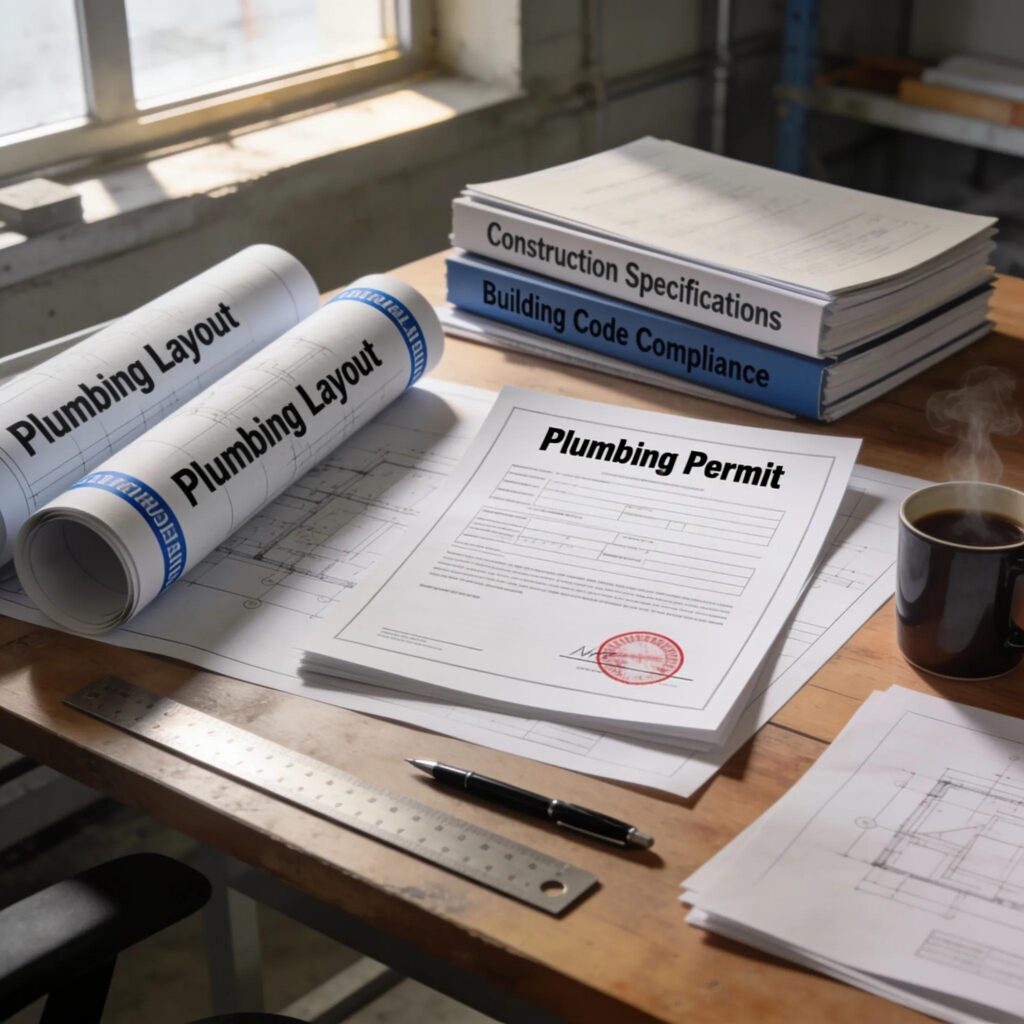
Businesses in Oklahoma City must obtain various plumbing permits to ensure compliance with local regulations. These permits typically include:
- Commercial Plumbing Permit: Required for new construction or major renovations involving plumbing systems.
- Backflow Prevention Permit: Ensures systems meet safety standards to prevent contamination.
- Temporary Service Permits: Necessary for short-term plumbing projects, especially during events or construction phases.
The application process for these permits involves submitting detailed plans and specifications for review, which must be approved by city authorities before the commencement of work.
Which Inspection Requirements Must Businesses Meet Under OKC Plumbing Regulations?
Businesses must meet several inspection requirements stipulated by OKC plumbing regulations to ensure compliance and public safety. The inspection process generally includes:
- Initial Site Inspection: Assesses foundational and structural plumbing elements before concealment.
- Rough-in Inspection: Conducted once plumbing is roughed in but before it is covered by walls or floors to check alignment and materials.
- Final Inspection: Ensures that all plumbing installations comply with approved plans and are functioning correctly before occupation.
Failure to adhere to these inspection protocols may result in delays, additional costs for re-inspections, and potential liabilities in case of plumbing failures.
What Are the Best Practices for Ensuring Business Water System Compliance?
Maintaining compliance in business water systems requires implementing best practices that align with both state and federal plumbing codes. Establishing a proactive maintenance plan can significantly reduce the risk of non-compliance through regular checks and updates to systems.
How to Implement Backflow Prevention and Water Safety Standards Effectively?
Effective backflow prevention techniques are vital in safeguarding public health against contamination. Businesses should:
- Install Backflow Prevention Devices: Essential for high-risk areas, ensuring that water flows in one direction and preventing reverse flow.
- Regular Testing: Conduct periodic testing to ensure backflow devices are functioning optimally, in line with local regulations.
- Staff Training: Educate employees on the importance of backflow prevention and emergency procedures in case of a malfunction.
Ensuring these practices not only complies with safety standards but also protects the integrity of the water supply.
What Are Common Compliance Challenges and How Can They Be Prevented?
Businesses face a variety of challenges in ensuring compliance with plumbing regulations, including:
- Understanding Complex Codes: The intricate nature of plumbing codes can lead to misinterpretations and errors in installations.
- Keeping Up-to-Date with Regulations: Frequent updates to codes require ongoing education and familiarity.
- Financial Constraints: Compliance often involves additional costs for necessary upgrades, which can be a burden on smaller businesses.
To mitigate these challenges, it’s essential to prioritize ongoing training, establish clear communication with plumbing professionals, and allocate budgets specifically for compliance-related improvements.
How Should Plumbing Contractors Navigate Licensing and Regulatory Requirements?
Plumbing contractors play a pivotal role in maintaining compliance with plumbing regulations. Their ability to navigate licensing and regulatory requirements is vital for ensuring business success and maintaining public safety.
What Licensing Credentials Are Mandatory for Commercial Plumbing Contractors?
In order to operate legally, commercial plumbing contractors must obtain specific licenses, which typically include:
- Master Plumber License: Signifies advanced knowledge and competency in plumbing systems.
- Journeyman License: Allows individuals to work under the supervision of a master plumber and gain experience.
- Backflow Prevention Certification: Ensures contractors are trained in the installation and maintenance of backflow prevention devices.
Acquiring these credentials ensures that contractors have the necessary expertise to meet the demands of contemporary plumbing systems.
How Does Contractor Compliance Education Support Plumbing Code Enforcement?
Ongoing compliance education is crucial for plumbing contractors as it directly supports the enforcement of plumbing codes. Educational programs include:
- Workshops and Training Seminars: Focus on new technologies and code updates.
- Certifications and Re-Certifications: Keep contractors informed of best practices and safety requirements.
- Collaboration with Regulatory Bodies: Partnerships with local authorities can provide valuable insights into compliance expectations and streamline the permit process.
Investing in education not only enhances the contractor’s skill set but also increases overall industry standards.
What Are the Steps to Obtain and Maintain Commercial Plumbing Permits and Pass Inspections?
The process of obtaining and maintaining commercial plumbing permits involves several critical steps. Understanding these steps can help businesses streamline their compliance efforts and ensure operational continuity.
How to Apply for Commercial Plumbing Permits: A Step-by-Step Process?
Applying for commercial plumbing permits typically follows these steps:
- Pre-Application Meeting: Engaging with local authorities to clarify requirements and gather necessary documentation.
- Document Submission: Preparing and submitting all relevant plans, specifications, and supporting documents required for permit approval.
- Permit Review: The review process conducted by city officials, which may involve adjustments based on feedback.
- Approval and Fees: Paying applicable fees to finalize the permit acquisition.
This structured approach ensures that all applications adhere to regulatory expectations while minimizing delays.
What Does a Typical Building Plumbing Inspection Entail?
A typical building plumbing inspection encompasses several key elements:
- Fixture Verification: Inspectors check all fixtures to ensure they are correctly installed and functioning.
- Pipe Integrity Tests: Assessing the integrity of piping systems and ensuring there are no leaks or structural deficiencies.
- Code Compliance Checks: Confirming that all installations meet the applicable local codes and standards.
A thorough understanding of inspection requirements helps businesses prepare adequately and avoid penalties due to non-compliance.
How Is Sustainable Plumbing Compliance Integrated into Commercial Code Requirements?
Sustainability has become an integral aspect of plumbing compliance, reflecting a commitment to environmental stewardship and resource conservation. The introduction of eco-friendly standards in plumbing codes promotes the use of sustainable practices in all plumbing operations.
What Emerging Sustainability Standards Are Reflected in Recent Plumbing Codes?
Recent plumbing codes reflect several emerging sustainability standards aimed at reducing the environmental impact of plumbing systems. These standards include:
- Water-Saving Fixtures: Mandating the installation of fixtures that conserve water without compromising performance.
- Energy-Efficient Systems: Preference for systems that utilize renewable energy sources.
- Material Use Regulations: Requirements for the use of recyclable and sustainably sourced materials in plumbing installations.
These evolving standards encourage businesses to adopt practices that contribute to a healthier environment while maintaining compliance.
How Can Businesses Align Operations with Sustainable Plumbing Practices?
To effectively align operations with sustainable plumbing practices, businesses can:
- Conduct Water Audits: Assess usage and implement strategies for conservation.
- Invest in Green Technologies: Upgrade systems to energy-efficient solutions.
- Engage in Community Efforts: Participate in local sustainability initiatives to promote environmental responsibility.
By integrating these practices, businesses not only comply with regulations but also enhance their reputations as environmentally responsible entities.