
Professional Trenching Services for Utilities and Drainage: Cost, Safety, and Installation Insights
Professional trenching services are essential for the installation and maintenance of underground utilities and drainage systems. These services encompass a range of excavation techniques tailored to the specific needs of utilities, such as water, gas, electricity, and drainage solutions. In this article, we will explore the various factors influencing the cost of professional trenching, effective excavation techniques, safety protocols, and best practices for ensuring successful drainage installations. For professionals and businesses, understanding these elements is crucial for efficient project planning and execution to meet local regulations while also ensuring safety for workers and end-users.
Key topics will include the factors affecting trenching costs, the best excavation techniques for utility trenching, proper drainage installation, essential safety procedures, and how to coordinate underground utility installations with trenching services. Through this comprehensive guide, readers will gain insights into managing their trenching projects effectively.
What factors influence the cost of professional trenching services?
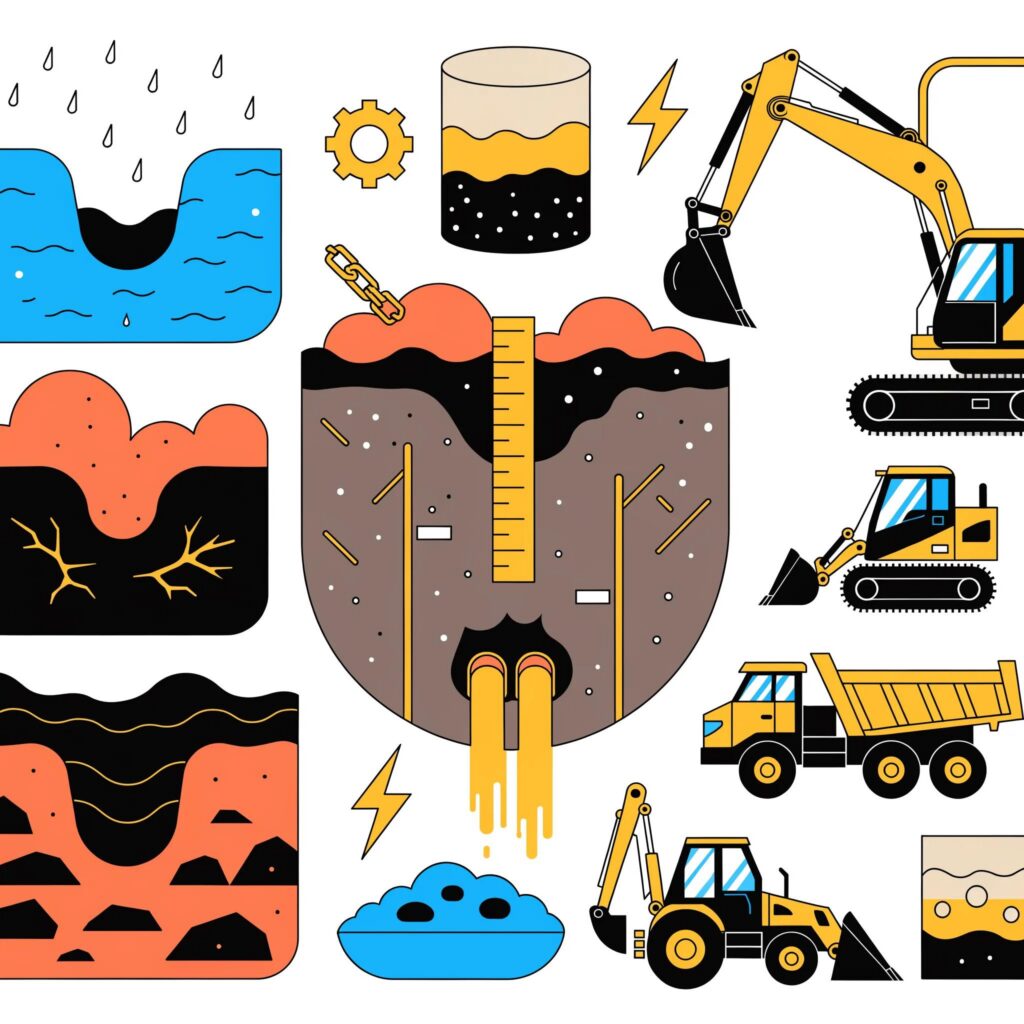
Several variables impact the overall cost of professional trenching services. Factors including soil conditions, project scale, and equipment type can drastically change pricing structures. Understanding these aspects is crucial for budgeting and planning any excavation project.
How does excavation equipment affect trenching service pricing?
The type and quality of excavation equipment used play a significant role in the pricing of trenching services. For instance, high-quality machinery like backhoes and mini-excavators can enhance efficiency but may come with higher rental costs. Conversely, older or less advanced equipment might save on initial expenses but could lead to higher operational costs due to longer project times and maintenance needs. The following points highlight how equipment can impact costs:
- Equipment Type: Advanced excavators facilitate faster and more efficient trenching, impacting labor costs positively.
- Rental Fees: Owning versus renting equipment can lead to sizeable differences in overall project expenses.
- Maintenance Costs: Equipment that requires frequent repairs can inflate project budgets over time.
What are typical cost ranges for utility and drainage trench installations?
The cost of trench installations can vary significantly based on several factors, including project scope, location, and local regulations. Generally, professional trenching costs range from $30 to $150 per linear foot, with complex projects in difficult terrains potentially exceeding $200 per linear foot. Some critical factors contributing to these ranges include:
- Project Size: Larger projects typically benefit from lower per-foot costs due to economies of scale.
- Soil Conditions: Difficult soil types may necessitate special equipment or techniques, raising costs.
- Regulatory Compliance: Permits and inspections can add to project timelines and costs, particularly in urban areas with stringent regulations.
Which excavation techniques are best for utility trenching?
Selecting the appropriate excavation technique is vital to efficiently laying down utilities while mitigating risks such as soil instability. Various excavation methods cater to different soil types and utility depths.
How do soil types and conditions impact trench digging for underground utilities?
Soil conditions significantly affect the choice of excavation techniques. Clay soils, for instance, can be more challenging to dig than sandy soils due to increased compaction. Understanding soil mechanics allows contractors to select appropriate excavation methods, ensuring trench stability. Consider these points:
- Soil Moisture: Wet conditions may cause mudslides, requiring additional support measures during excavation.
- Soil Composition: Certain soil types may call for more robust equipment capable of penetrating dense materials.
- Impact on Schedule: Time delays can arise from unsuitable soil conditions, affecting project deadlines.
What recent technological advances improve utility trenching efficiency?
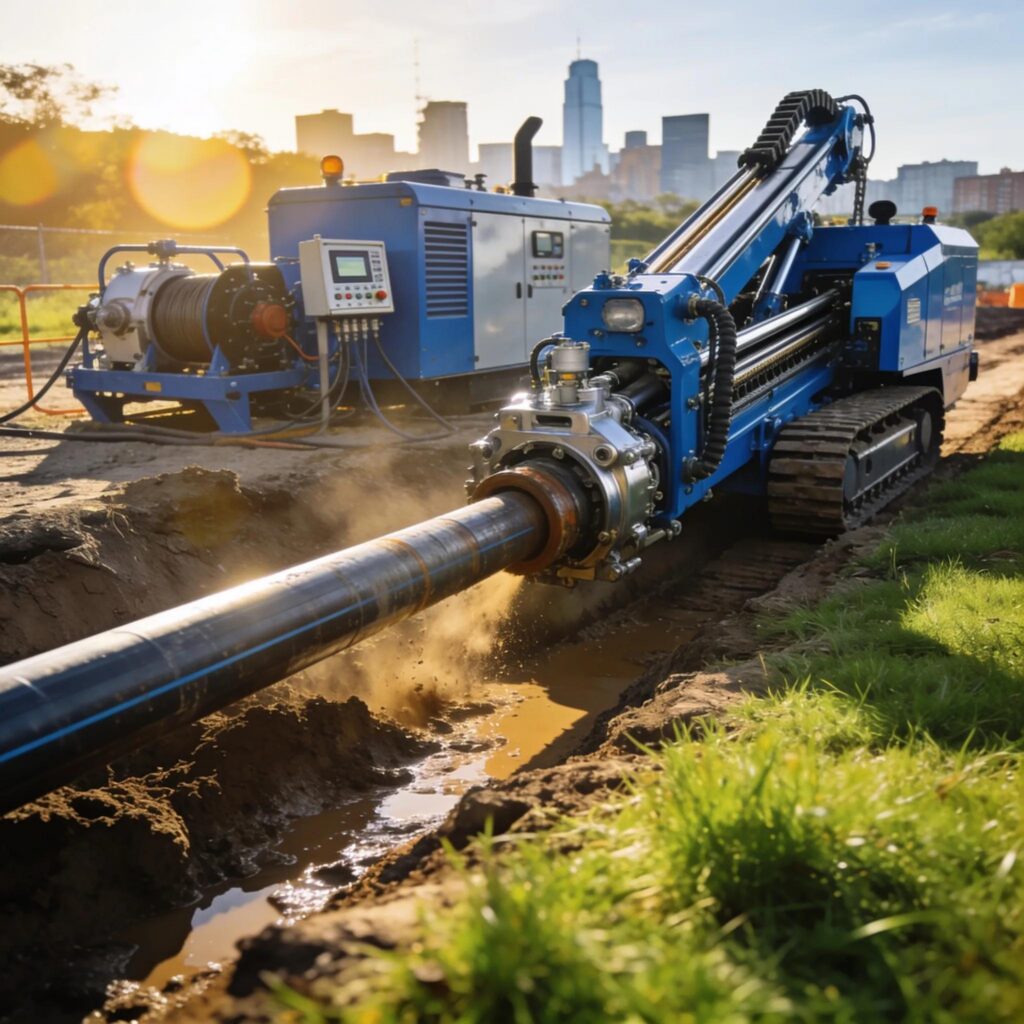
Recent technological advancements have transformed trenching efficiency. Techniques such as trenchless technology allow for the installation of utilities without extensive digging. Key innovations include:
- Directional Drilling: This method enables the placement of utilities at various depths and angles, reducing surface disruption.
- Automation in Equipment: SSC (semi-autonomous machines) enhance precision in digging and reduce dependency on manual labor.
- Advanced Materials: New pipe and conduit materials reduce the need for elaborate trenching, lowering costs and installation times.
How are drainage installation trenches properly designed and maintained?
Designing and maintaining drainage trenches involves adhering to best practices for depth, slope, and soil stabilization to ensure effective water management. Proper design yields long-term performance and minimizes flooding risks.
What is the recommended depth and slope for drainage trenches?
The depth and slope of drainage trenches are crucial for optimal performance. Generally, a depth of at least 12 inches with a 1% slope is recommended to facilitate proper water flow. This not only ensures functionality but also helps prevent trench collapse. Key considerations include:
- Slope Importance: Adequate slope prevents standing water, enhancing drainage.
- Depth Guidelines: Deeper trenches may facilitate better drainage, especially in high-water tables.
- Environmental Impact: Well-designed trenches can help mitigate erosion and runoff issues.
Which soil stabilization methods enhance drainage trench durability?
Stabilization methods are essential for prolonging the life of drainage trenches and ensuring they withstand environmental impacts. Techniques range from natural amendments to engineering solutions:
- Geotextiles: Placing these materials within trench walls helps maintain structural integrity.
- Gravel Inserts: Adding gravel can improve drainage efficiency and increase trench longevity.
- Chemical Stabilization: Utilizing chemicals to treat soil can reduce erosion and enhance reliability.
What essential trench safety procedures must be followed for utilities and drainage?
Safety is paramount in trenching operations, guided by legal requirements and best practices that mitigate risks associated with trenching work. Following industry-standard procedures is essential for worker safety and regulatory compliance.
How do OSHA standards reduce injuries in trenching operations?
The Occupational Safety and Health Administration (OSHA) sets guidelines that significantly decrease workplace injuries associated with trenching. Adhering to their regulations protects workers from hazards. Key OSHA guidelines include:
- Trench Depth Requirements: For trenches deeper than five feet, protective systems like trench boxes are mandated.
- Regular Inspections: Daily examinations of trench conditions help identify potential hazards before they result in accidents.
- Worker Training: Comprehensive training on trench safety ensures workers are aware of risks and best practices.
What best practices ensure trench stability and worker protection?
To enhance safety during trenching operations, implementing best practices allows for secure environments for workers. Essential practices include:
- Use of Support Systems: Shoring or shielding must be employed in deeper trenches to prevent cave-ins.
- Personal Protective Equipment (PPE): Essential gear like helmets and safety vests minimize risks during operations.
- Emergency Planning: Creating and rehearsing emergency response plans ensures preparedness in case of accidents.
How is underground utility installation coordinated with trenching services?
Effective coordination between trenching services and utility installations is essential for successful project execution. This involves meticulous planning and collaboration among various stakeholders.
What are the steps in a typical utility trenching project timeline?
A typical utility trenching project follows a series of structured phases, including:
- Planning: Assessing site conditions, government regulations, and project requirements.
- Excavation: Initiating the trenching process using appropriate techniques based on soil and equipment.
- Installation: Placing utility lines within the trench while adhering to safety and regulatory compliance.
- Backfilling: After installation, the trench is backfilled and compacted according to standards.
How do regulatory compliance requirements affect underground utility trenching?
Compliance with local regulations significantly influences trenching operations. This ensures safety and environmental protections are upheld throughout the project. Key regulatory components include:
- Permit Acquisition: Securing relevant permits prior to excavation work to prevent legal issues.
- Inspection Protocols: Adhering to inspection schedules set by local authorities ensures compliance and safety during operations.
- Environmental Considerations: Regulations regarding environmental impact assessments must be met to mitigate any potential harm.
Where can customers find expert trenching services and how to plan their projects?
Selecting the right contractor and properly planning projects are crucial steps for customers seeking professional trenching services. Following specific guidelines can lead to successful outcomes.
What factors should be considered when selecting a trenching contractor?
Choosing the right trenching contractor involves careful consideration of several crucial factors:
- Experience and Reputation: Prioritize contractors with proven track records and positive customer feedback.
- Safety Ratings and Compliance: Ensure the contractor adheres to safety standards and has received training/certifications.
- Cost vs. Quality: Evaluate quotes with an emphasis on quality of service versus lowest cost.
How to estimate project duration and necessary resources for trenching work?
Estimating the duration and resources for trenching projects is vital for effective planning. Considerations include:
- Project Size and Complexity: Larger or more complex projects will necessitate longer timelines and additional resources.
- Soil Type and Conditions: Difficult soil conditions can increase excavation time and call for superior equipment.
- Resource Allocation: Adequately assigning labor, materials, and equipment can enhance efficiency and meet deadlines.